Google Places API is powerful, but it is not always the best fit for B2B lead generation. An API is a way for software tools to talk to each other. Google Places API helps apps search for places, retrieve place details, and add location data into digital products.
For sales and marketing teams, the goal is different. They usually do not need to build a map app. They need a clean list of businesses by category, city, rating, website, phone number, email availability, and outreach potential. That is why many teams look for Google Places API alternatives that are easier to use for lead generation.
What Google Places API Is Best For
Google Places API is best when a developer needs place data inside an application. Common examples include store locators, address autocomplete, location search, travel apps, delivery apps, and map-based user experiences.
It is also useful when the workflow needs official Google Maps Platform infrastructure. Google describes Places API as a way to get location data for over 200 million places and add place details, search, and autocomplete to apps.
For product teams, this is a strong fit. For B2B sales teams, it may be more complex than necessary.
Where Google Places API Falls Short for B2B Leads
The main issue is not whether Google Places API is good. It is whether it matches the job.
For B2B lead generation, teams often want:
Need | Why It Matters |
Bulk business discovery | Build lists across cities and categories |
Contact fields | Phone, website, available email, social links |
Lead filtering | Rating, review count, category, business status |
Export formats | CSV, Excel, JSON, or API |
No-code usage | Sales and marketing users may not write code |
Pay for usable results | Failed or irrelevant requests waste budget |
Google Places API uses pay-as-you-go pricing based on the specific SKUs used. Google also notes that field masks help control which data is returned and how requests are billed. That model can work well for developers, but it may feel indirect for sales teams that simply want a spreadsheet of qualified business leads.
Comparison Table
Alternative | Best For | No-Code Friendly | Web Scraping-Based | API Available | Lead Generation Fit |
Google Maps B2B lead lists | Yes | Yes | Yes | High | |
Outscraper | Google Maps business data extraction and enrichment | Yes | Yes | Yes | High |
Apify | Flexible scraper marketplace and automation | Partial | Yes | Yes | High |
Foursquare Places API | POI enrichment and location apps | No | No | Yes | Medium |
HERE Geocoding and Search | Mapping and geospatial workflows | No | No | Yes | Medium |
Geoapify Places API | POI search and geocoding alternative | No | No | Yes | Medium |
Best Google Places API Alternatives for B2B Lead Generation
CoreClaw
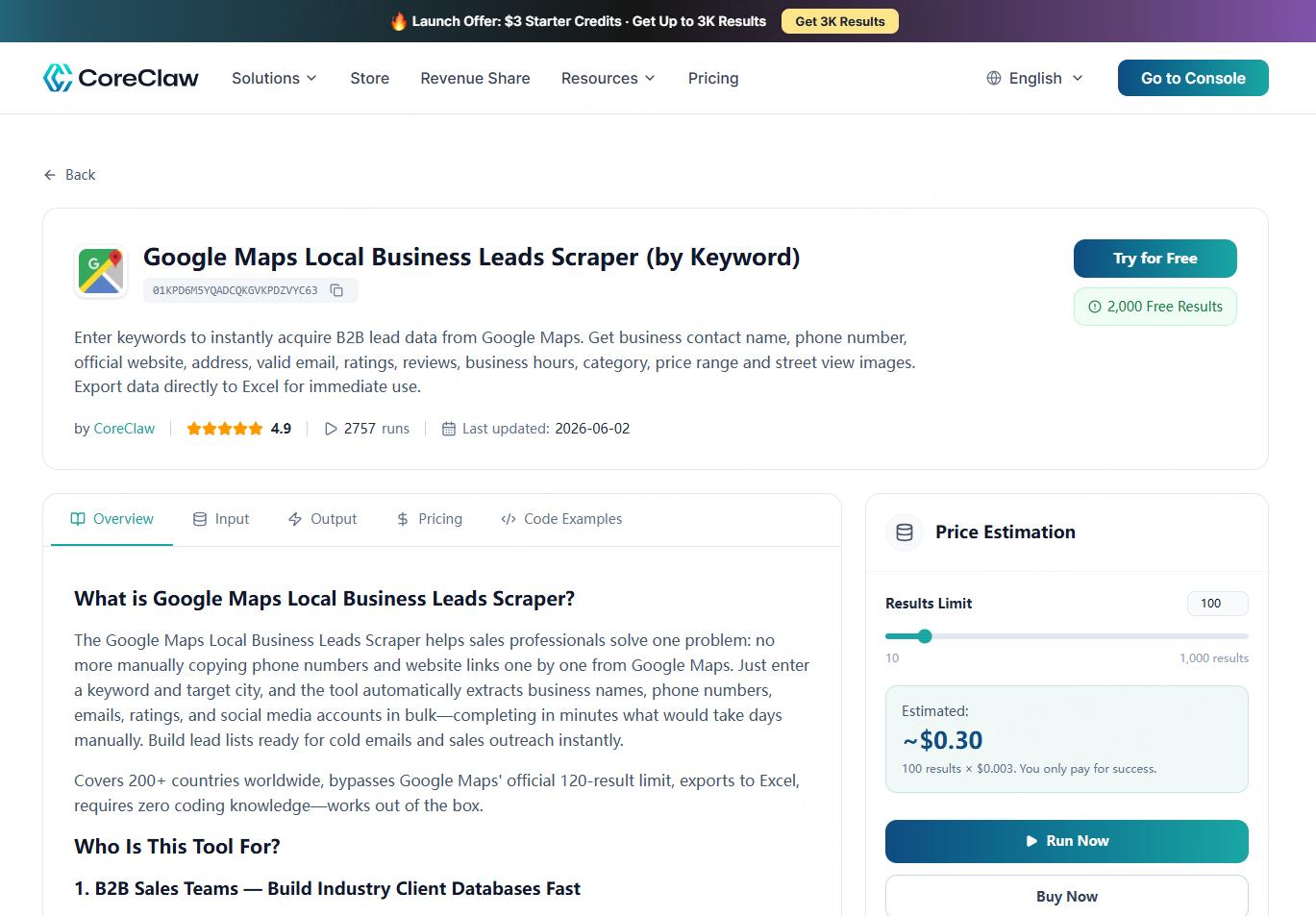
CoreClaw is a practical alternative for teams that want Google Maps business data without coding. Instead of building API requests and managing field masks, users can run a ready-made Worker, enter target keywords and locations, and export structured results.
CoreClaw’s Google Maps business scraper is designed for B2B lead generation workflows. It can collect public business information such as business names, websites, phones, emails, categories, addresses, ratings, reviews, opening hours, social accounts, and location data.
CoreClaw is especially useful when the goal is not to power an app, but to build a cleaned and filtered lead list. Results can be exported to CSV, Excel, or JSON, used through API workflows, or imported into CRM and outreach tools.
Best for: sales teams, agencies, market researchers, and non-technical users that need ready-to-use Google Maps lead data.
Outscraper
Outscraper is a web scraping-based Google Places API alternative for teams that want to extract Google Maps business data without building directly on Google Places API. Its Google Maps Scraper is positioned to collect business names, emails, phone numbers, reviews, ratings, and location data from Google Maps.
Best for: teams that want Google Maps scraping, business contact extraction, enrichment options, and spreadsheet-ready exports.
Apify
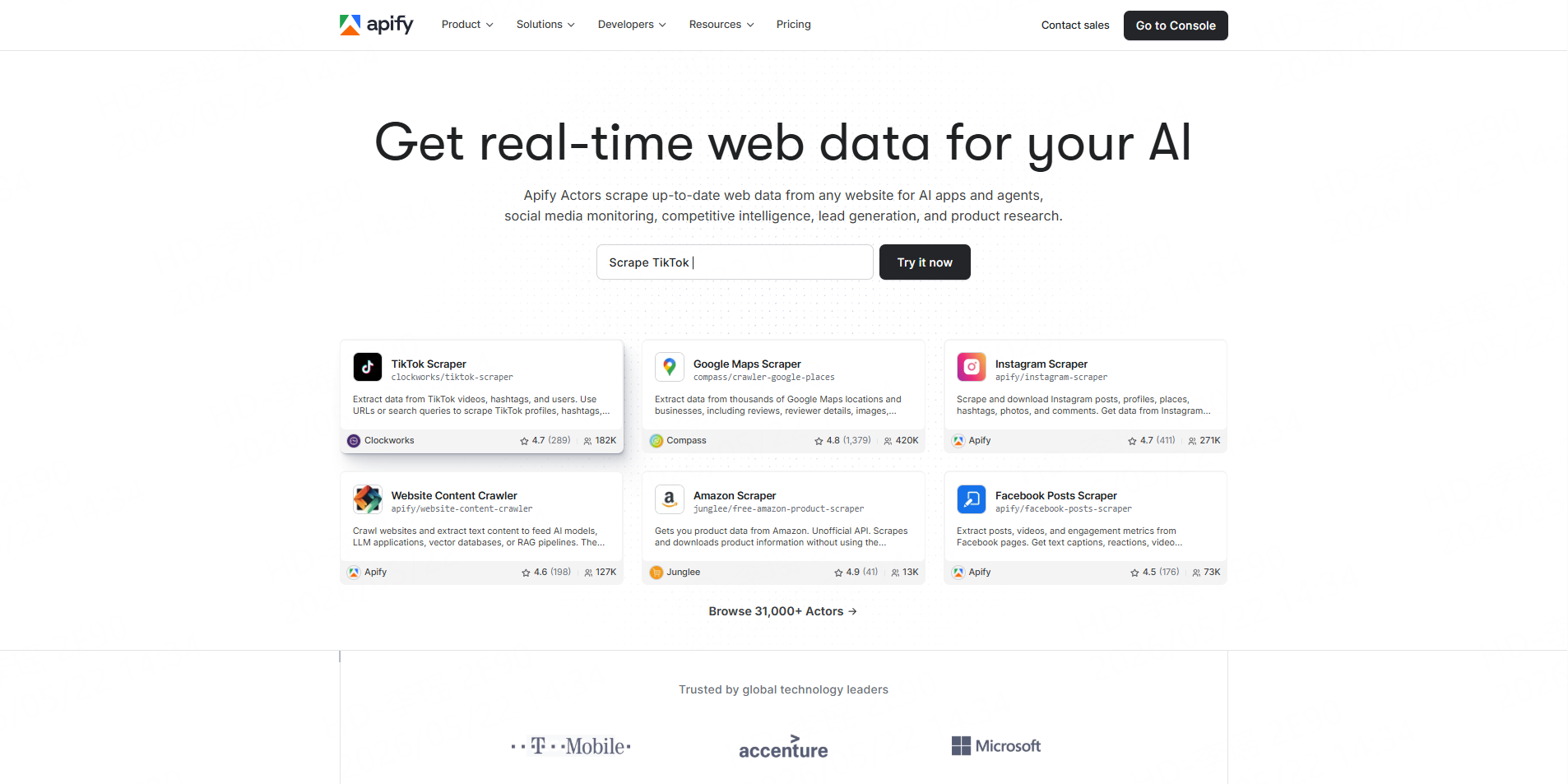
Apify is another strong web scraping-based alternative. It is a cloud platform and marketplace for web scraping and automation tools called Actors. Apify’s marketplace includes multiple Google Maps scraping Actors that can extract business listings, addresses, contact information, opening hours, ratings, reviews, coordinates, and other local business fields.
Best for: technical teams, growth operators, and agencies that want flexible scraper marketplace options and API-enabled automation.
Foursquare Places API
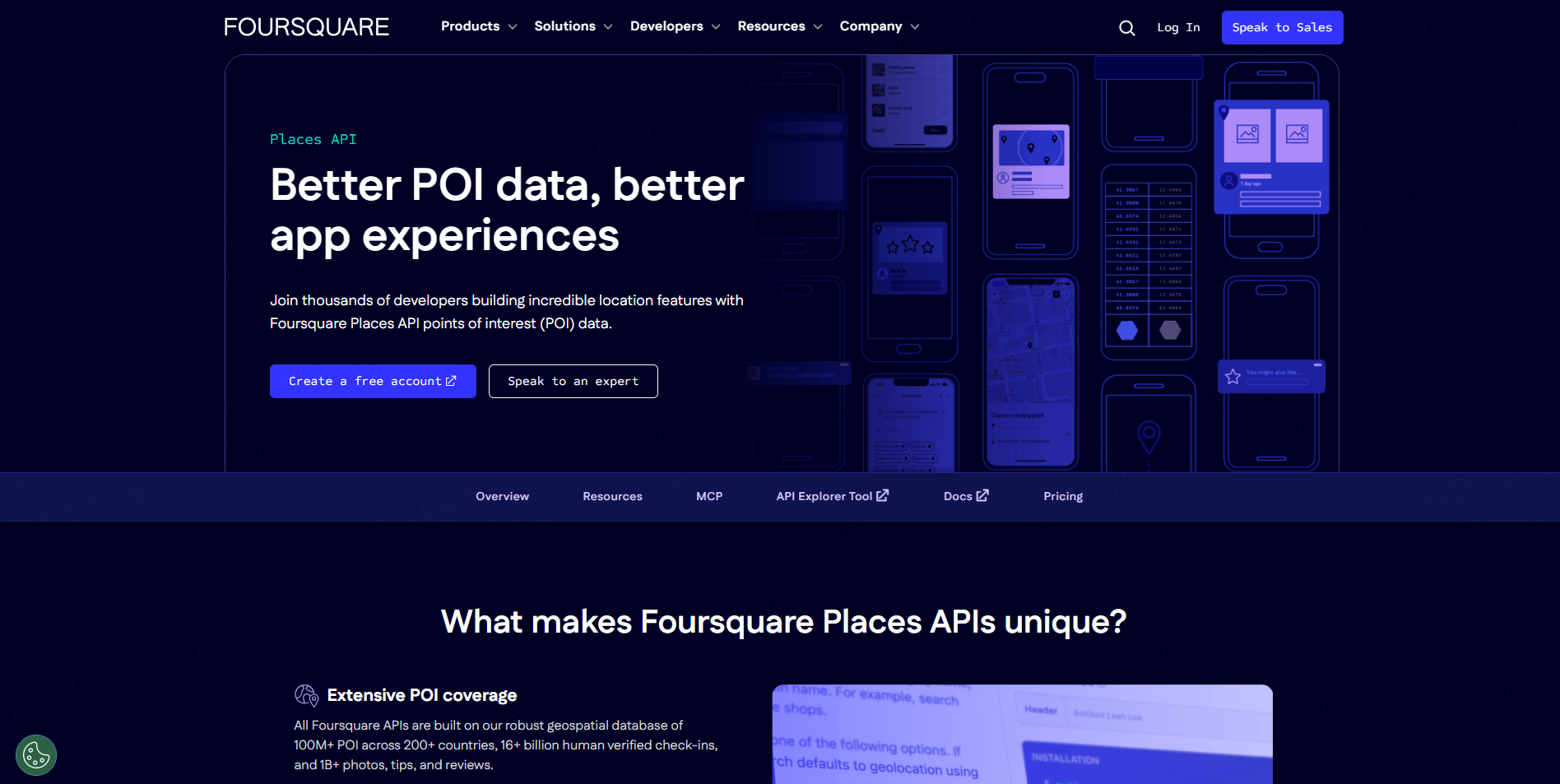
Foursquare Places API is a strong option for product teams that need global point-of-interest data. Foursquare describes its Places API as being powered by a database of more than 100 million places across more than 1,500 categories.
For B2B lead generation, Foursquare can be useful when the team needs POI coverage, location intelligence, or app integration. However, it may still require developer setup and may not be optimized for CRM-ready lead lists.
Best for: developers building location-aware apps or enriching internal POI databases.
HERE Geocoding and Search API
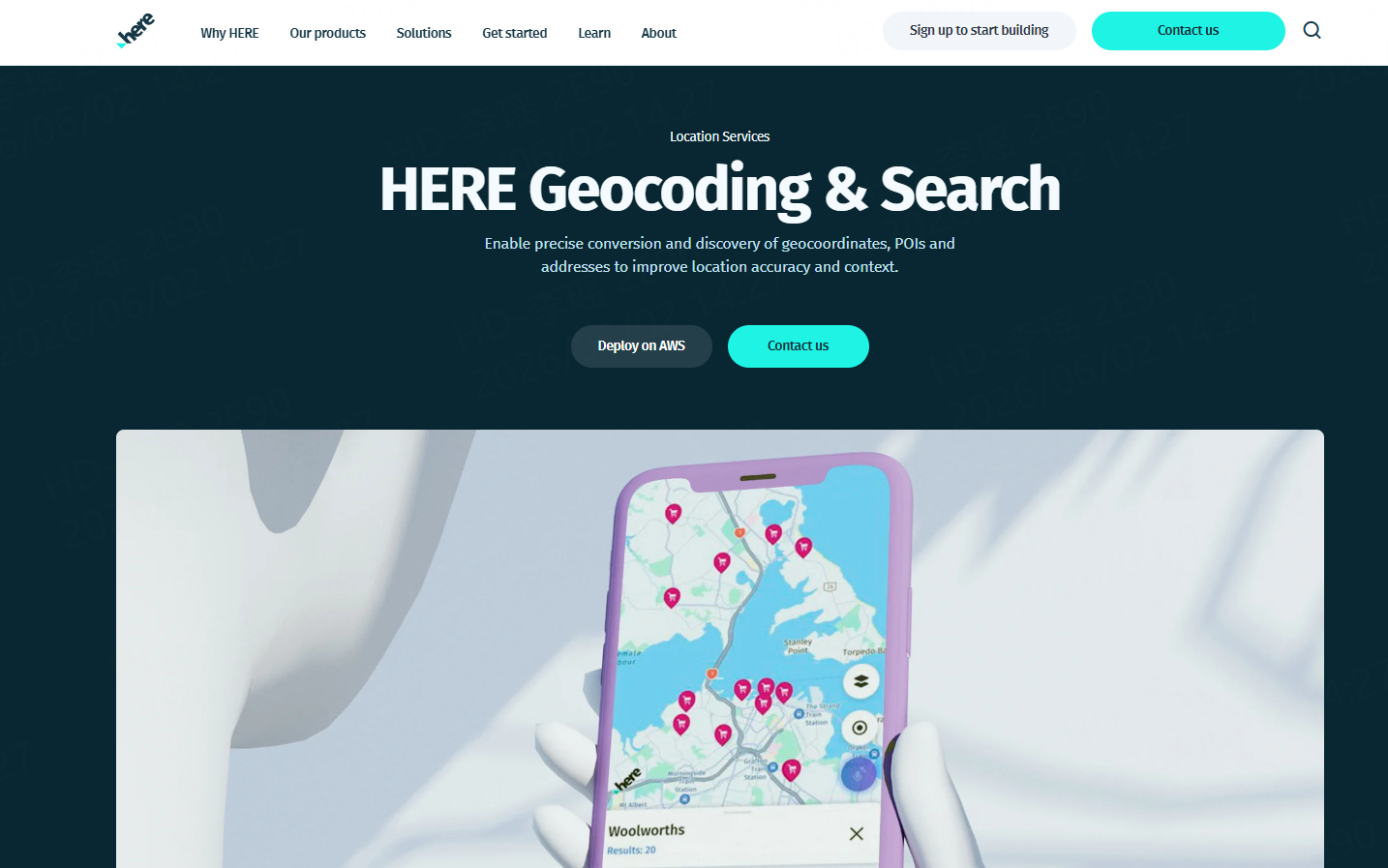
HERE Geocoding and Search API supports address search, place discovery, geocoding, and global POI retrieval. HERE documentation describes support for addresses and global POIs across more than 400 categories.
This makes HERE useful for logistics, mobility, mapping, delivery, and location intelligence. For pure B2B prospecting, teams may still need extra steps to clean results, identify decision-ready fields, and prepare outreach lists.
Best for: geospatial products, logistics tools, and developer-led location workflows.
Geoapify Places API
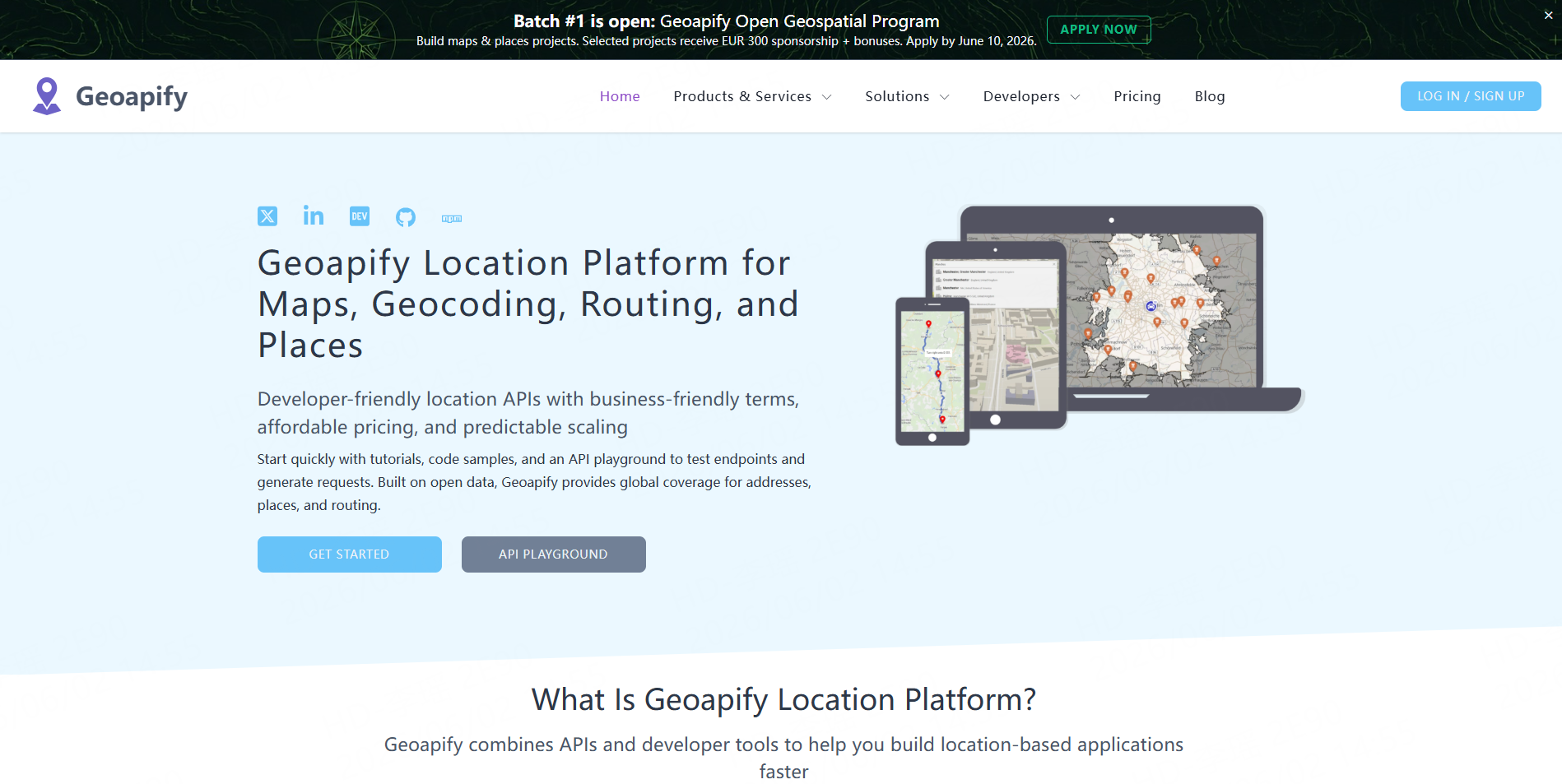
Geoapify is often positioned as a cost-effective Google Places API alternative for place search, geocoding, and POI data. Its own comparison content highlights Places API, Foursquare, HERE, TomTom, and Google Maps Platform as common options in this market.
Geoapify can be a good fit for developers who want POI and mapping data with a different pricing and data-source model. It is less direct for sales teams that want emails, ratings, websites, and outreach-ready exports.
Best for: developers looking for POI search and geocoding alternatives.
A Practical B2B Lead Generation Workflow with CoreClaw
Start with the market. Define the business category, location, and lead signal. For example: “dental clinics in Austin with fewer than 100 reviews” or “restaurants in Seattle with low ratings.”
Next, run a ready-made Worker. With CoreClaw’s Google Maps B2B Leads Generation Scraper, teams can enter target keywords and locations, collect public business records, and export cleaned and filtered structured data.
Then, review the fields that matter most. A practical lead list should include business name, website, phone, available email, category, address, rating, review count, business status, and source URL.
Finally, export the dataset to CSV, Excel, JSON, or API. Sales teams can import CSV or Excel into a CRM. Developers or RevOps teams can use JSON or API access to connect the data to internal workflows.
Final Thoughts
Google Places API is a strong product for developers building location-based apps. But for B2B lead generation, many teams need something more direct: public business records, cleaned and filtered outputs, simple exports, and a workflow that sales and marketing teams can use without writing code.
With CoreClaw, teams can use ready-made Workers to collect Google Maps business data, export results to CSV, Excel, JSON, or API, and pay only for successful results. For teams that need a faster path from local search to qualified outreach, CoreClaw turns public business data into a practical B2B lead generation workflow.
Frequently Asked Questions

Content Writer @CoreClaw · Last Updated 2026-06-04
Lena Kovalenko researches how modern software systems expose and organize information online. Her writing focuses on the interaction between APIs, web platforms, and automated data workflows. When exploring a topic she typically compares multiple tools to understand their design assumptions. These comparisons often lead to articles that help readers see how different technical approaches influence reliability and efficiency.
View Author Profile →Disclaimer: All information on the CoreClaw Blog is provided “as is” and for informational purposes only. CoreClaw makes no representations and assumes no liability for any consequences arising from your use of information published on the CoreClaw Blog or on any third-party websites linked from it. Before any scraping activity, consult legal counsel, review the target website’s terms of service, and obtain permission where required.