TikTok scraping tools help teams turn public creator, video, comment, hashtag, search, and commerce information into structured datasets. Marketing teams may use the data for influencer discovery and competitor research, while ecommerce and data teams may need recurring TikTok Shop or engagement datasets.
The tools below solve that problem differently. Some provide ready-made no-code scrapers, while others provide developer APIs or general scraping infrastructure. This comparison focuses on data coverage, ease of use, outputs, and the type of workflow each platform fits best.
How We Evaluated TikTok Scraping Tools
We compared the current documented capabilities of all ten platforms rather than inventing performance scores. For independent testing evidence, AIMultiple’s July 2026 benchmark ran 500 unique TikTok video URLs through Bright Data, Apify, and Decodo and compared validation success and metadata coverage. The remaining tools are evaluated here using their current official product documentation and workflow capabilities.
A good TikTok scraper should provide usable structured data, support the sources relevant to the project, and make it practical to move the output into spreadsheets, databases, dashboards, or automated systems.
10 Best TikTok Scraping Tools Compared
Tool | Best For | No-Code | API | Main Strength |
CoreClaw | Ready-to-use TikTok data | Yes | Yes | Multiple specialized Workers |
Apify | Flexible automation | Yes | Yes | Large TikTok Actor ecosystem |
Bright Data | Enterprise pipelines | Yes | Yes | Dedicated TikTok endpoints |
Decodo | Developer scraping API | Partial | Yes | Post and Shop templates |
Octoparse | Visual scraping | Yes | Yes | No-code TikTok templates |
ScrapeCreators | Social applications | No | Yes | Wide TikTok API coverage |
Data365 | Social analytics | No | Yes | Profiles, videos, comments |
ScraperAPI | Custom page extraction | No | Yes | Infrastructure and geotargeting |
ScrapFly | Developer-built scrapers | No | Yes | Browser and anti-bot stack |
Oxylabs | TikTok Shop research | No | Yes | Commerce-specific targets |
1. CoreClaw
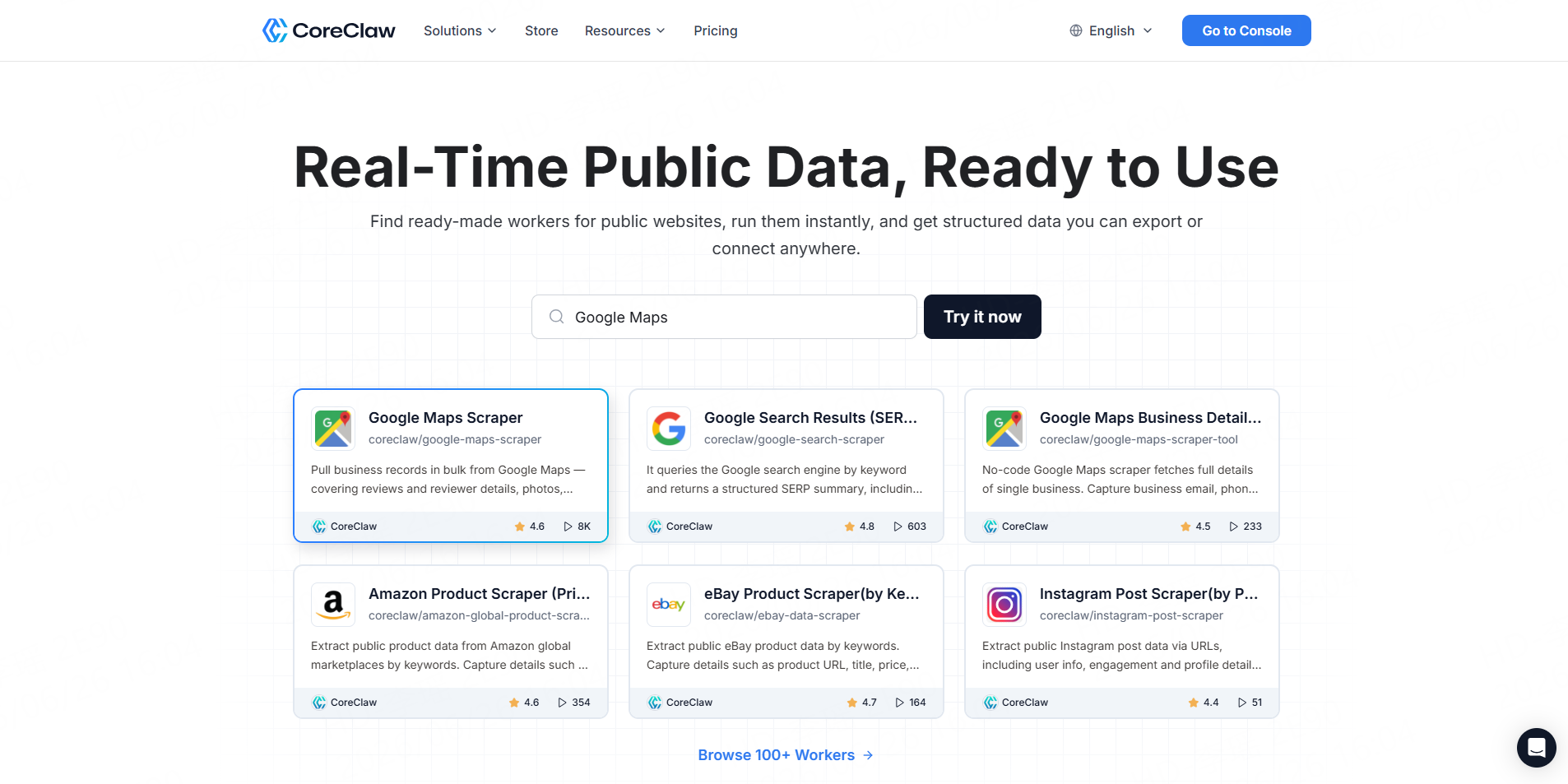
CoreClaw provides a dedicated TikTok Scraper Store with ready-made Workers for public profiles, videos, comments, search, trends, and TikTok Shop workflows. The platform focuses on structured results rather than requiring users to build and maintain their own scraper infrastructure.
Best for: Marketing, research, ecommerce, and non-technical teams.
Pros: No-code Workers, structured exports, API integration, multiple TikTok datasets.
Cons: Specialized sources may require a custom Worker.
Use case: Build creator, content, or audience datasets and export cleaned results for analysis.
2. Apify
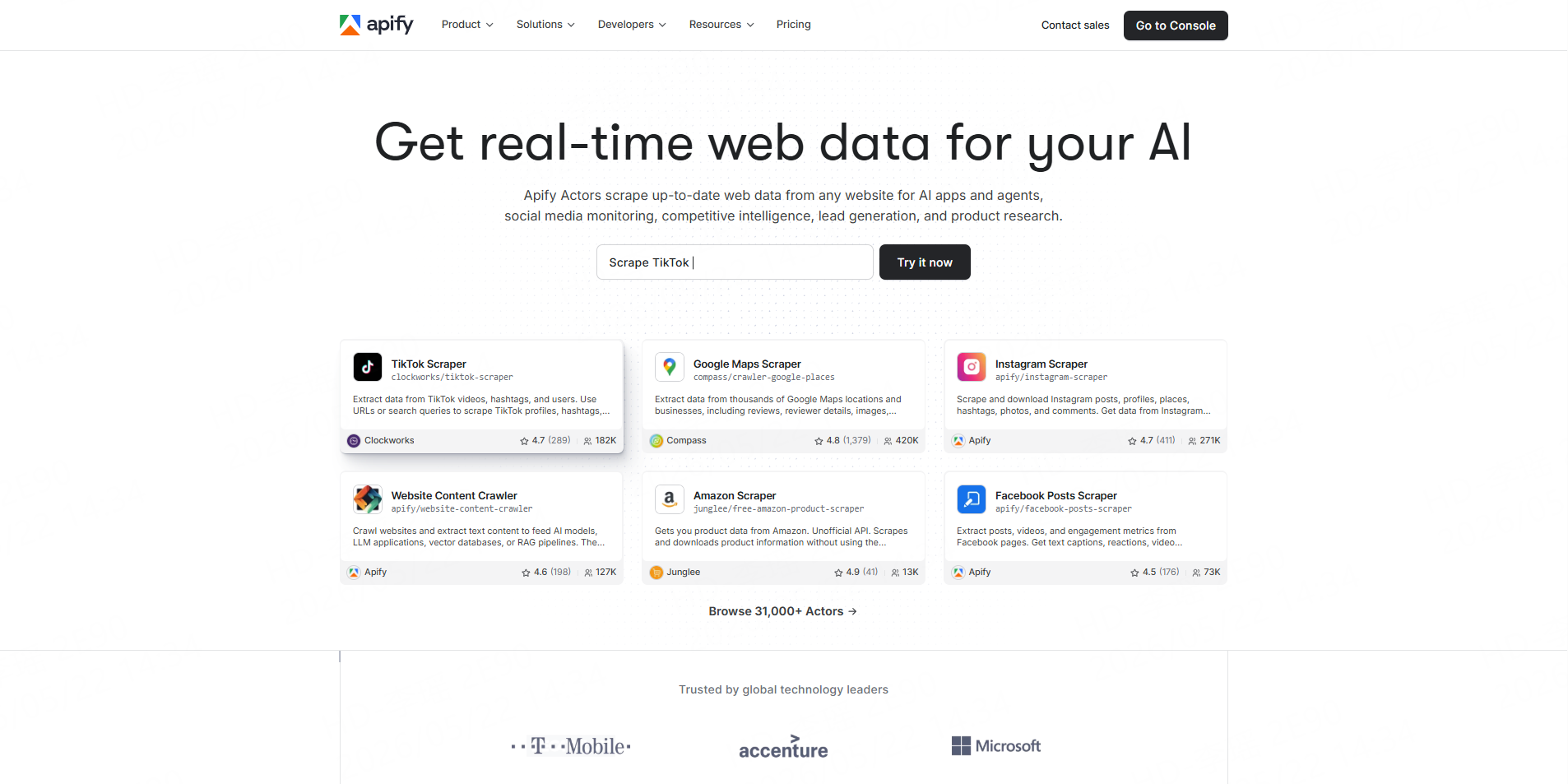
Apify’s TikTok Scraper accepts profiles, hashtags, video URLs, and search queries and provides profile, engagement, video, music, and related TikTok records. Runs can also be scheduled or connected through APIs and integrations.
Best for: Technical growth and automation teams.
Pros: Large Actor ecosystem and flexible configuration.
Cons: More platform concepts to learn.
Use case: Schedule recurring creator or hashtag monitoring.
3. Bright Data
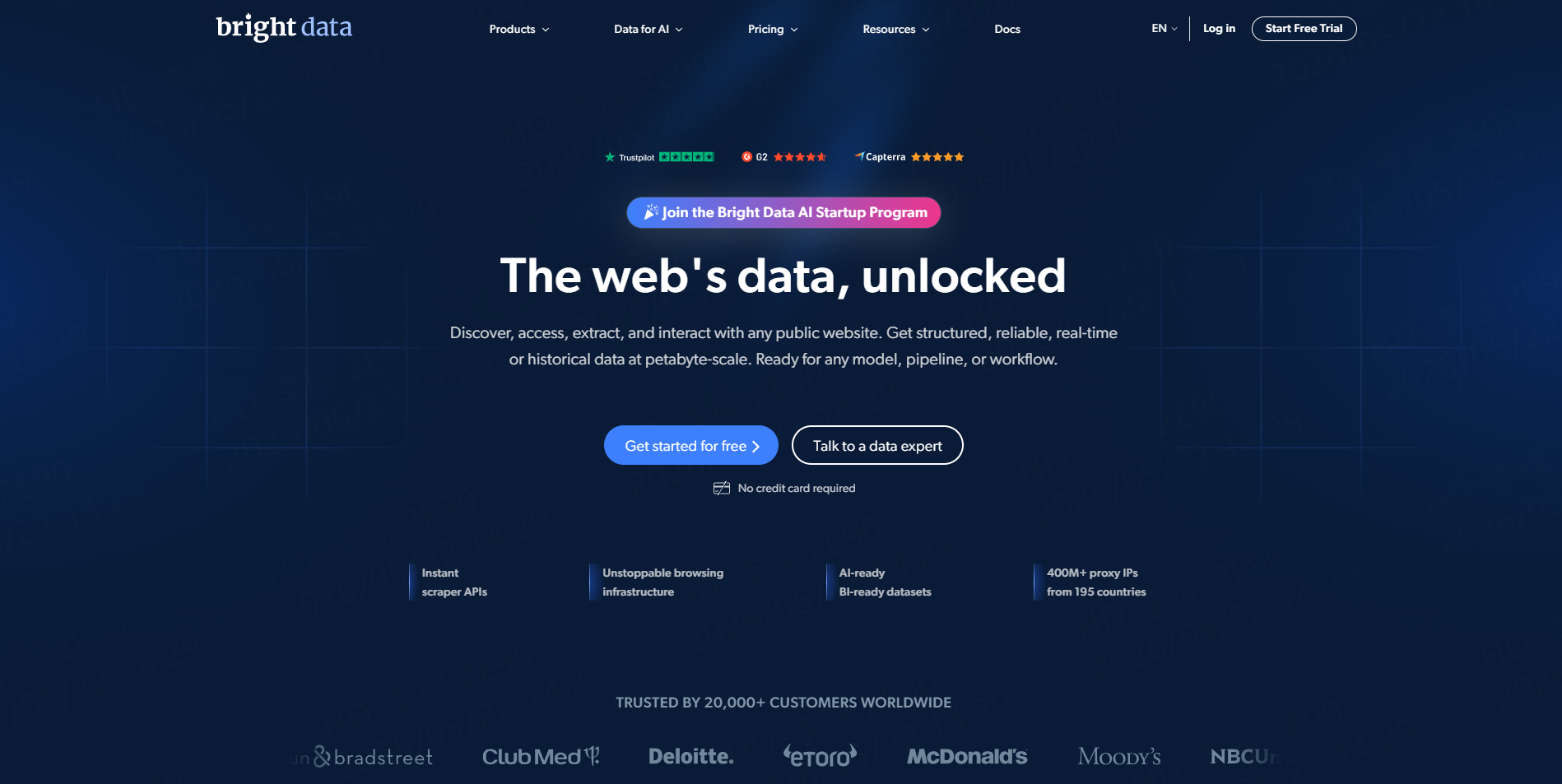
Bright Data provides dedicated TikTok endpoints covering profiles, posts, comments, and TikTok Shop products. Its scraper API returns structured data while the platform handles fetching, parsing, proxies, and common access challenges.
Best for: Enterprise data teams.
Pros: Broad TikTok coverage and API/no-code options.
Cons: More infrastructure than smaller projects may need.
Use case: Large recurring TikTok data pipelines.
4. Decodo
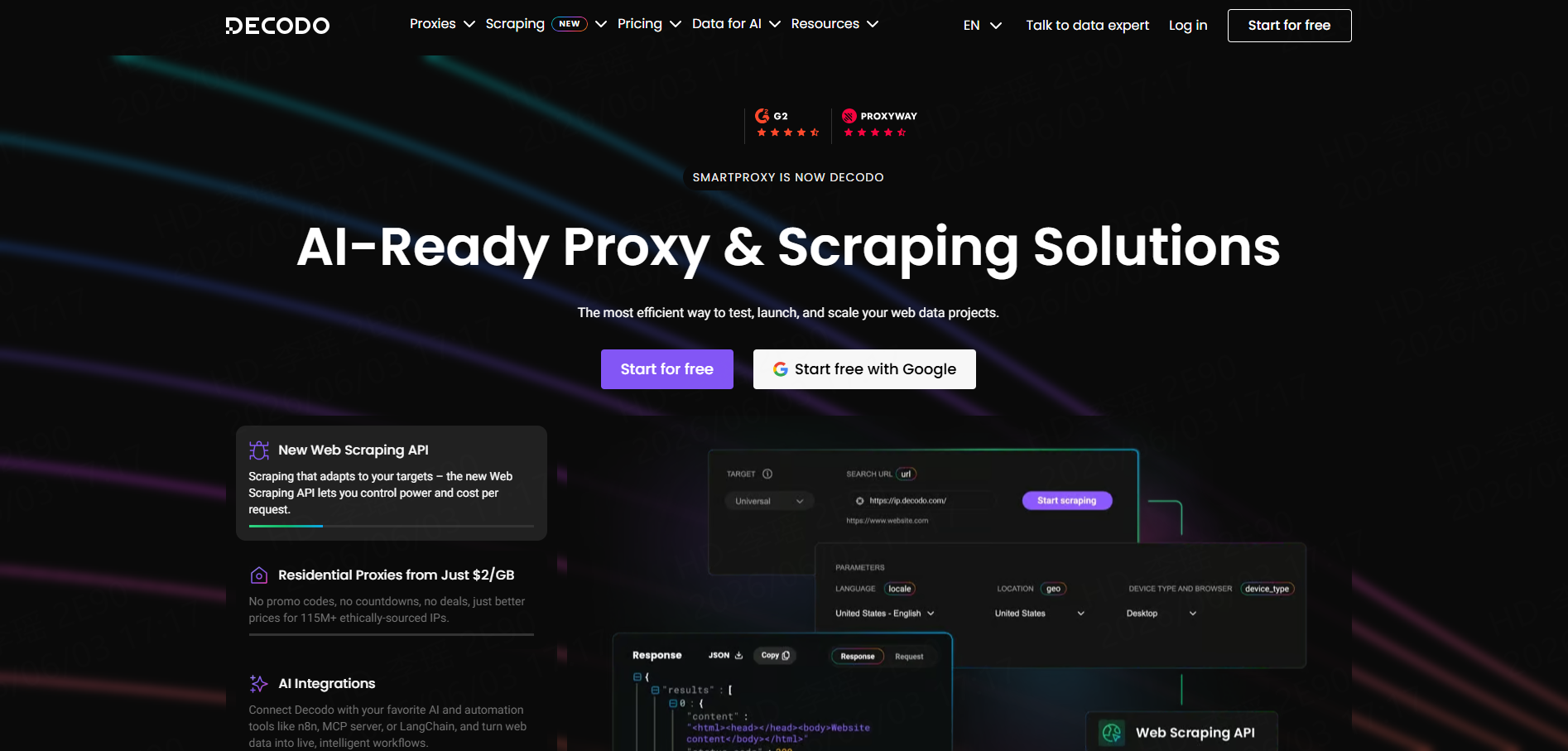
Decodo’s current TikTok offering sits within its Web Scraping API and provides TikTok post and TikTok Shop templates, with raw or structured output options depending on the workflow.
Best for: Developers managing API-based collection.
Pros: Scraping infrastructure and ready-made templates.
Cons: Less business-user-oriented than a no-code Worker platform.
Use case: Integrate TikTok posts into an existing data stack.
5. Octoparse
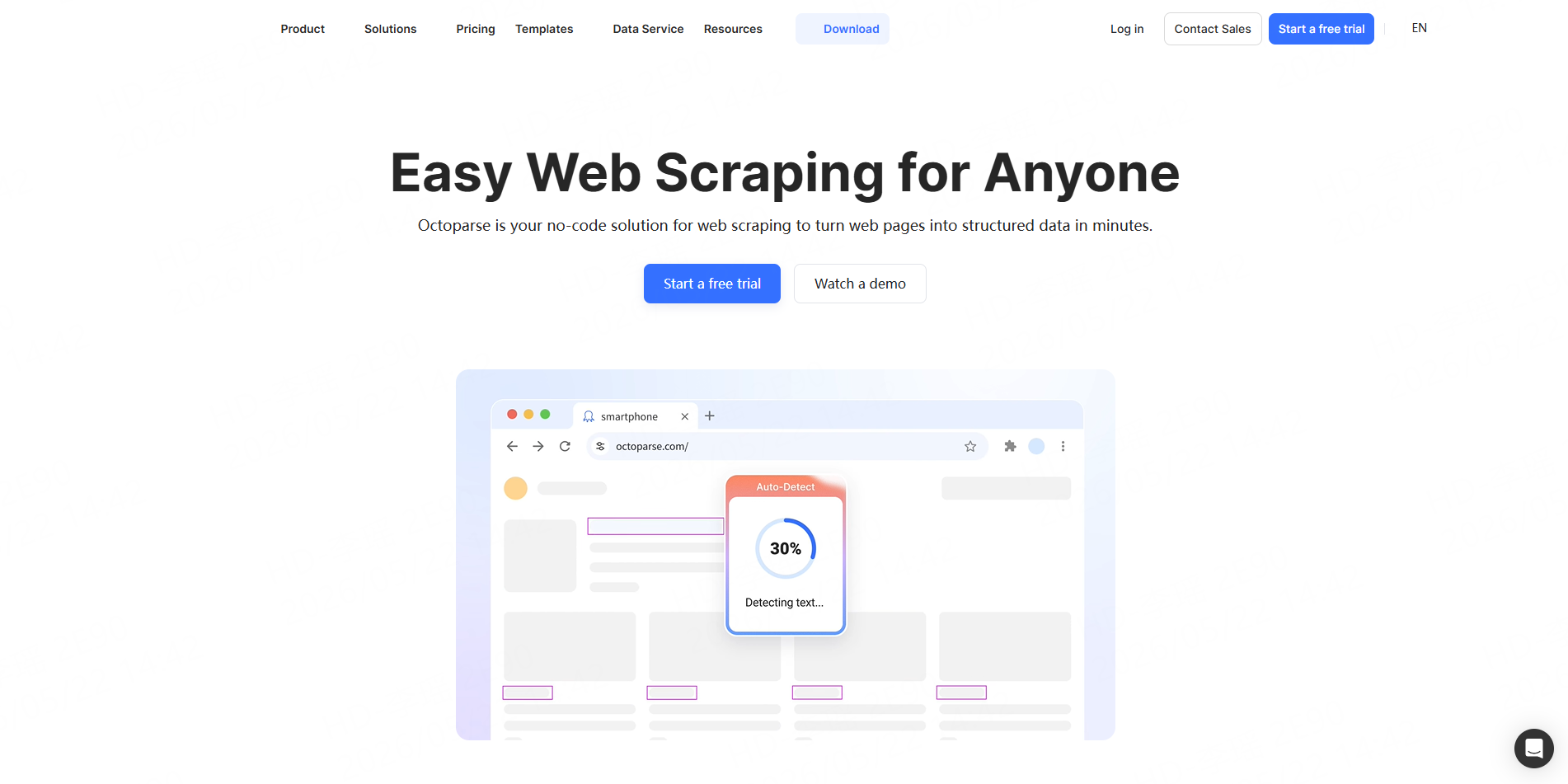
Octoparse currently provides purpose-built TikTok templates and visual scraping workflows. Its 2026 documentation describes five TikTok templates and options for pre-built templates, custom visual workflows, or Python-based extraction.
Best for: Analysts who prefer visual configuration.
Pros: No-code UI and spreadsheet-friendly workflows.
Cons: Custom tasks can require more setup.
Use case: Export TikTok video or profile data for manual analysis.
6. ScrapeCreators
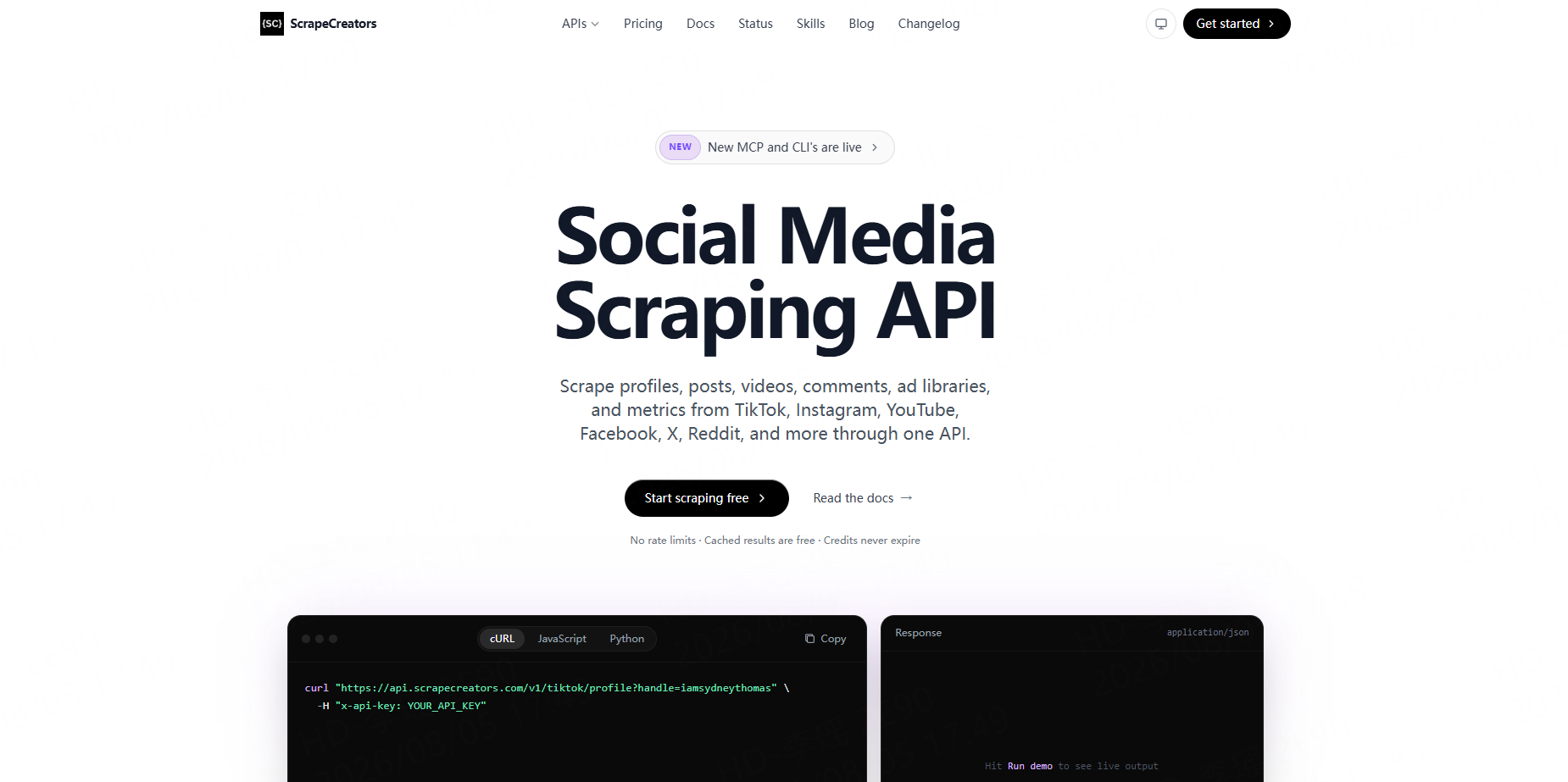
ScrapeCreators provides an unofficial TikTok API with structured JSON endpoints covering profiles, posts, engagement data, followers, videos, comments, transcripts, and other TikTok sources.
Best for: SaaS and social-data developers.
Pros: Wide endpoint catalog and simple REST integration.
Cons: API-first rather than no-code.
Use case: Add TikTok intelligence directly to an application.
7. Data365
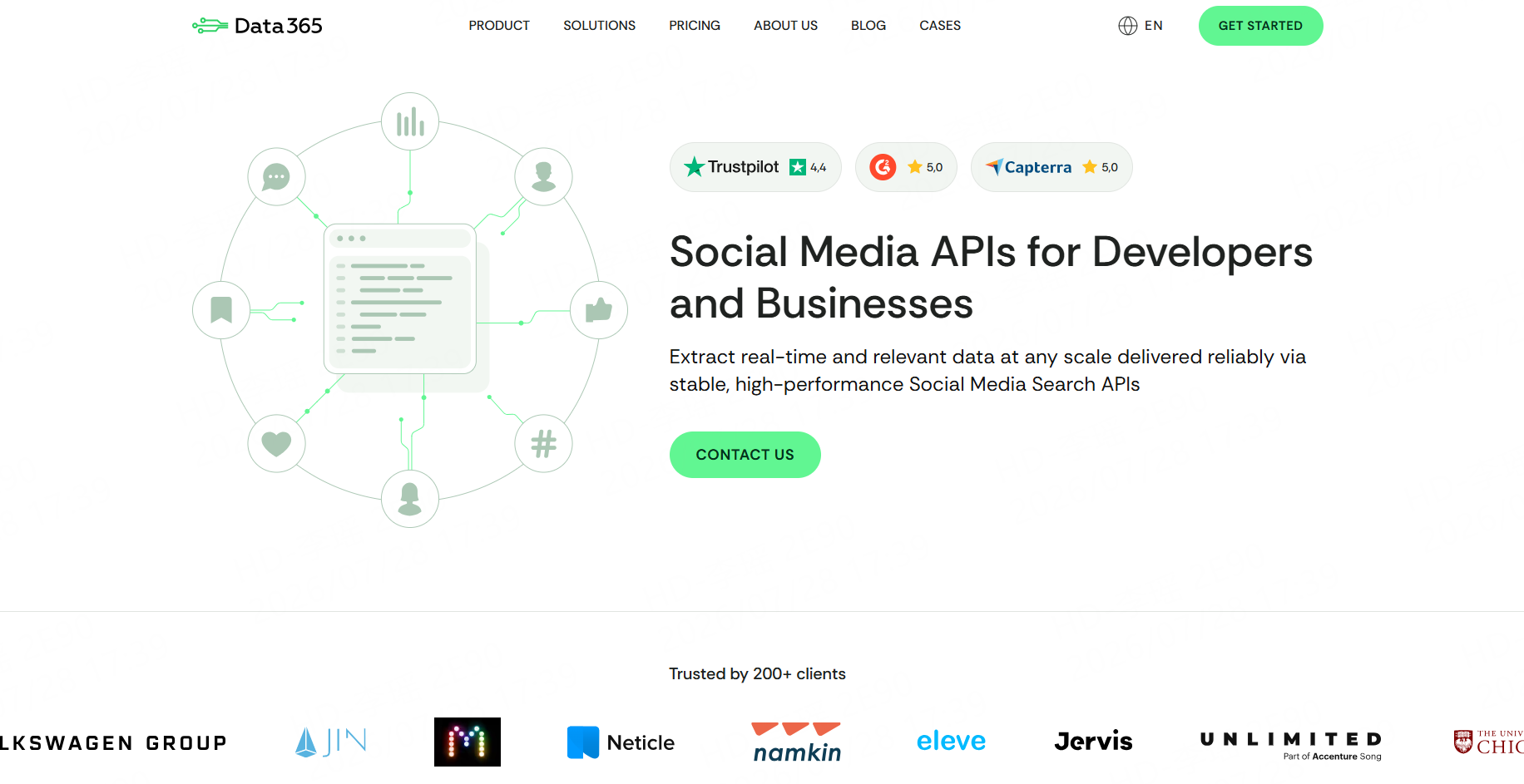
Data365 provides structured access to publicly visible TikTok profiles, videos, comments, and hashtags through a third-party social-media API.
Best for: Social listening and analytics products.
Pros: Multiple social platforms and JSON workflows.
Cons: Better suited to developers than spreadsheet-first users.
Use case: Build recurring creator and content analytics.
8. ScraperAPI
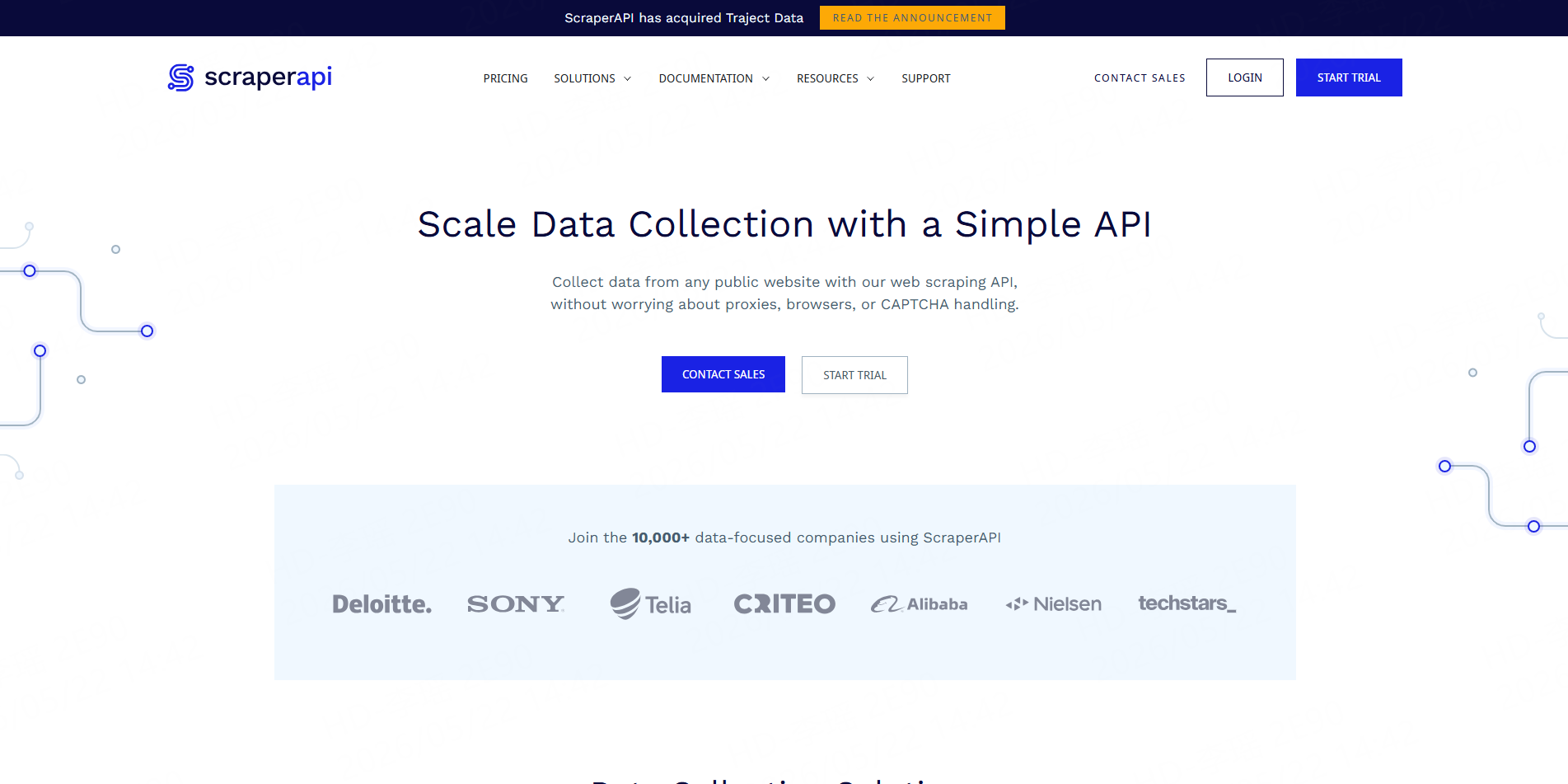
ScraperAPI focuses on fetching TikTok public pages while handling IP rotation, CAPTCHA challenges, geotargeting, and other scraping infrastructure. It can also return text or Markdown representations for LLM-oriented workflows.
Best for: Developers with their own parsing logic.
Pros: Infrastructure control and localization.
Cons: Less ready-to-use structured TikTok data.
Use case: Power a custom TikTok crawler.
9. ScrapFly
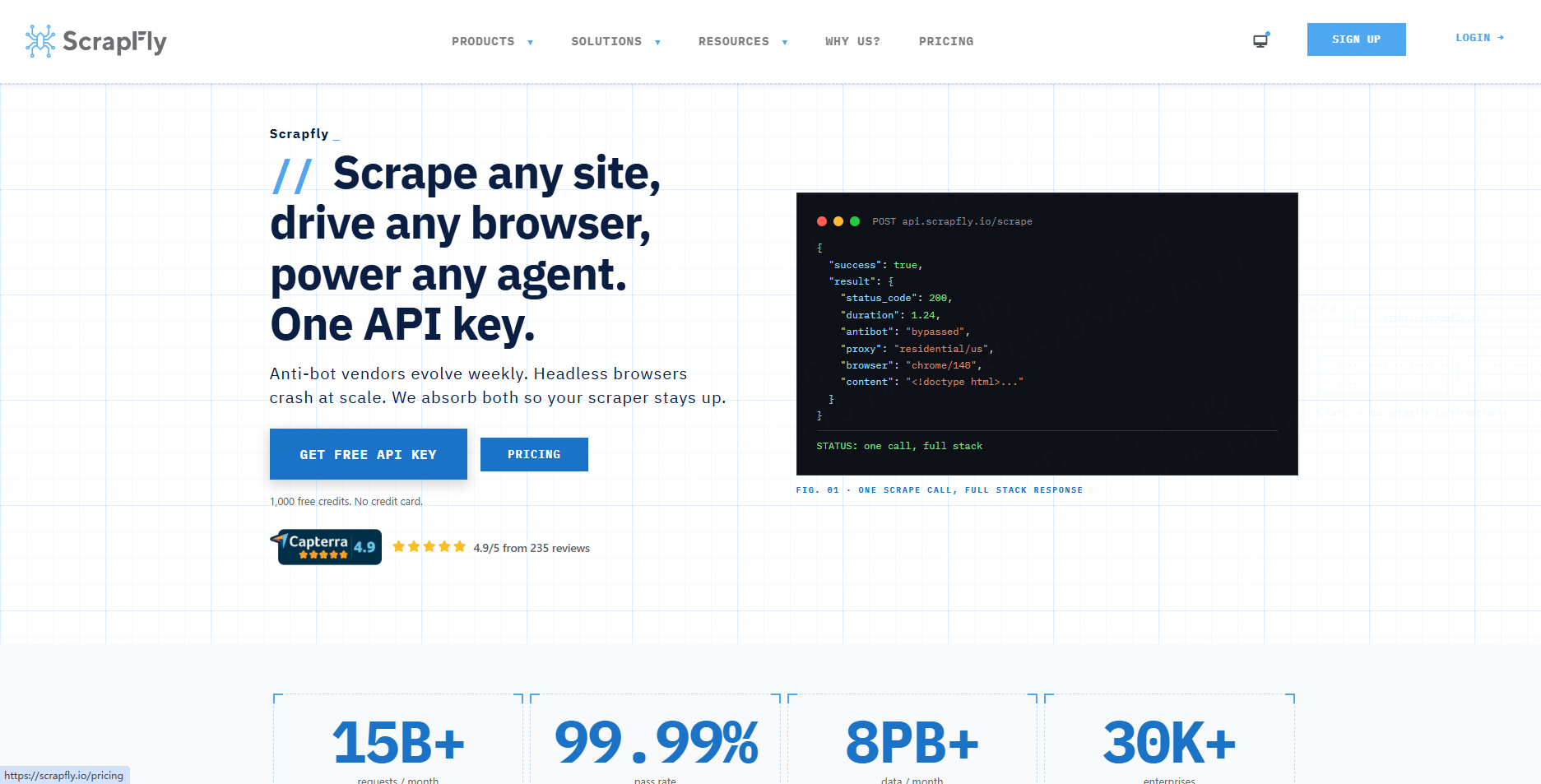
ScrapFly provides a general Web Scraping API and browser stack, while its current TikTok guide covers extracting profiles, videos, comments, and search information.
Best for: Engineers building custom scraping systems.
Pros: Browser execution and anti-bot tooling.
Cons: Requires extraction development.
Use case: Maintain a custom TikTok research pipeline.
10. Oxylabs
Oxylabs’ current documented TikTok targets focus particularly on TikTok Shop search, product pages, and Shop URLs through its Web Scraper API.
Best for: Ecommerce and enterprise data teams.
Pros: Mature scraping infrastructure.
Cons: Current dedicated TikTok coverage is more commerce-focused than creator-focused.
Use case: Monitor TikTok Shop products and marketplace activity.
How to Choose the Right TikTok Scraping Tool
Choose around the output you need. CoreClaw and Octoparse make more sense when non-technical users need ready-to-use datasets. Apify offers more configurable cloud automation. Bright Data and Decodo suit larger technical pipelines, while ScrapeCreators and Data365 work well when TikTok data needs to become part of an application.
For commerce-heavy projects, Shop-specific coverage matters more than creator profiles. For influencer research, profile, video, and comment data should usually be evaluated together.
A Practical TikTok Data Workflow With CoreClaw
Start with the smallest relevant Worker. Use the TikTok Profile Data Scraper for creator research, the TikTok Bulk Video Scraper for content performance, or the TikTok Comments Scraper for audience discussions.
Run a small sample, review the returned fields, then remove duplicates and unnecessary records before export. CoreClaw displays Worker results as structured tables and supports structured export workflows; recurring projects can use the CoreClaw API integration.
If an existing Worker does not cover the required source, developers can build a custom Worker using Python, Node.js, or Go and publish it through CoreClaw’s developer workflow.
Responsible TikTok Data Collection
TikTok provides official Research Tools for approved researchers to access specified public profile, video, and comment data. Third-party scraping and official research access are different methods, so teams should review current platform requirements, privacy obligations, and applicable laws for their intended use.
Important datasets should also be sampled against original sources before they drive significant marketing, ecommerce, or investment decisions.
Conclusion
The best TikTok scraping tool depends on whether a team needs ready-made data, configurable automation, scraping infrastructure, or a developer API.
With CoreClaw, teams can start with ready-made TikTok Workers, obtain cleaned and filtered structured outputs, move results into CSV/Excel/JSON or API workflows, and extend collection with custom Workers when needed. Applicable usage follows pay only for successful results, so failed results are not treated as successfully delivered data.
Teams that only need a narrower video/profile comparison can also use CoreClaw’s Best TikTok Scraper for Video and Profile Data guide.
Frequently Asked Questions

Content Writer @CoreClaw · Last Updated 2026-08-11
Lena Kovalenko researches how modern software systems expose and organize information online. Her writing focuses on the interaction between APIs, web platforms, and automated data workflows. When exploring a topic she typically compares multiple tools to understand their design assumptions. These comparisons often lead to articles that help readers see how different technical approaches influence reliability and efficiency.
View Author Profile →Disclaimer: All information on the CoreClaw Blog is provided “as is” and for informational purposes only. CoreClaw makes no representations and assumes no liability for any consequences arising from your use of information published on the CoreClaw Blog or on any third-party websites linked from it. Before any scraping activity, consult legal counsel, review the target website’s terms of service, and obtain permission where required.