A local business extractor helps teams collect public business information from maps, directories, search results, and company profiles. For sales teams, this data can support prospecting, territory planning, and CRM enrichment. For SEO teams, it can support local market research, competitor analysis, review monitoring, and client prospecting.
The best tool is not always the one that returns the most records. Sales and SEO teams usually need clean fields, useful filters, clear exports, and a workflow that does not create messy CRM data. This guide compares the best local business extractor tools for practical business use in 2026.
What Is a Local Business Extractor?
A local business extractor is a tool that collects business listing data and turns it into structured fields. Common fields include business name, website, phone number, address, category, rating, review count, opening hours, email when available, social profiles, coordinates, and source URL.
This type of tool is especially useful because local business data is scattered. A restaurant, dental clinic, gym, law firm, or repair shop may appear on Google Maps, Apple Maps, Bing Maps, Yelp-style directories, business websites, and social platforms.
Teams should also review platform terms before collecting data. Google Maps Platform Terms include a “No Scraping” restriction that says customers must not export, extract, or scrape Google Maps Content for use outside the services. For some workflows, the official Places API may be more appropriate.
What Sales and SEO Teams Should Compare
Before choosing a local business extractor, compare tools across practical workflow needs.
Criteria | Why It Matters |
Data source coverage | Determines whether you can collect from Google Maps, directories, websites, or multiple map platforms |
Contact fields | Sales teams need phone, website, email, and source URL |
SEO fields | SEO teams need category, rating, review count, location, and competitor signals |
Export formats | CSV and Excel help business users; JSON and API help technical workflows |
Data cleaning | Deduplication and filters reduce bad-fit records |
Ease of use | No-code tools are easier for agencies and sales teams |
Scalability | API access and scheduling matter for recurring workflows |
A strong extractor should help teams build smaller, cleaner, more actionable lists instead of exporting large datasets that require hours of manual cleanup.
Best Local Business Extractor Tools Compared
Tool | Best For | Main Strength |
No-code local business data extraction | Ready-made Workers, cleaned outputs, CSV/JSON/Excel export | |
Outscraper | Google Maps data and enrichment | Google Maps scraping plus email/contact enrichment |
Apify | Flexible automation workflows | Actor marketplace, API, scheduling, custom runs |
Scrap.io | Multi-map local lead extraction | Google Maps, Apple Maps, and Bing Maps coverage |
Lead Scrape | Desktop prospecting software | Local business and contact extraction for small teams |
PhantomBuster | Sales automation workflows | Lead extraction across multiple platforms |
Bright Data | Enterprise local datasets | Large-scale datasets, scraper APIs, delivery integrations |
1. CoreClaw
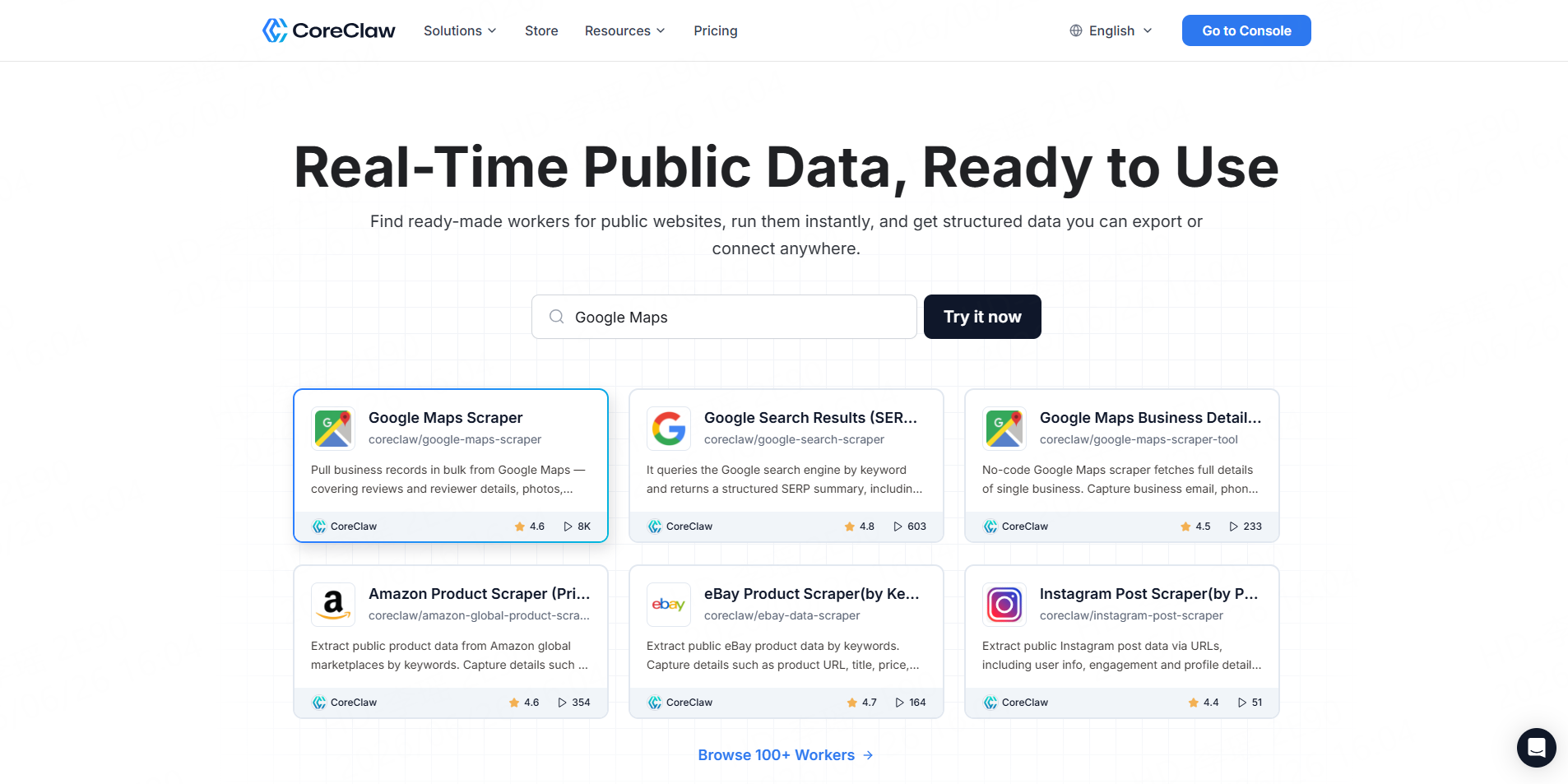
CoreClaw is a practical local business extractor for teams that want structured public web data without writing code. Its Google Maps Local Business Scraper page describes the extraction of business names, addresses, contact information, email addresses, social media accounts, ratings, review counts, categories, opening hours, profile details, and review data. It also supports export formats such as CSV, JSON, XLSX, HTML, and RSS.
Best for: Sales teams, SEO agencies, market researchers, and non-technical users who need clean local business data.
Key features:
- Ready-made Google Maps Worker
- No coding required
- CSV, Excel, JSON, and API workflows
- Cleaned and filtered structured data
- Pay only for successful results
- Custom Worker option for niche sources
Pros: CoreClaw is easy to use when teams need usable data rather than scraping infrastructure. Users can run a Worker, filter outputs, export files, or connect results through API workflows. CoreClaw’s homepage also highlights 100+ ready-made Workers, no-code data collection, API runs, and developer publishing capabilities.
Cons: CoreClaw is strongest when a matching Worker already exists. For niche directories, franchise pages, or unusual local sources, teams may need a custom Worker.
Use case: A local SEO agency can extract dental clinics in Austin, filter by rating and review count, export the dataset to Excel, and prioritize businesses that may need review growth or local SEO support.
2. Outscraper
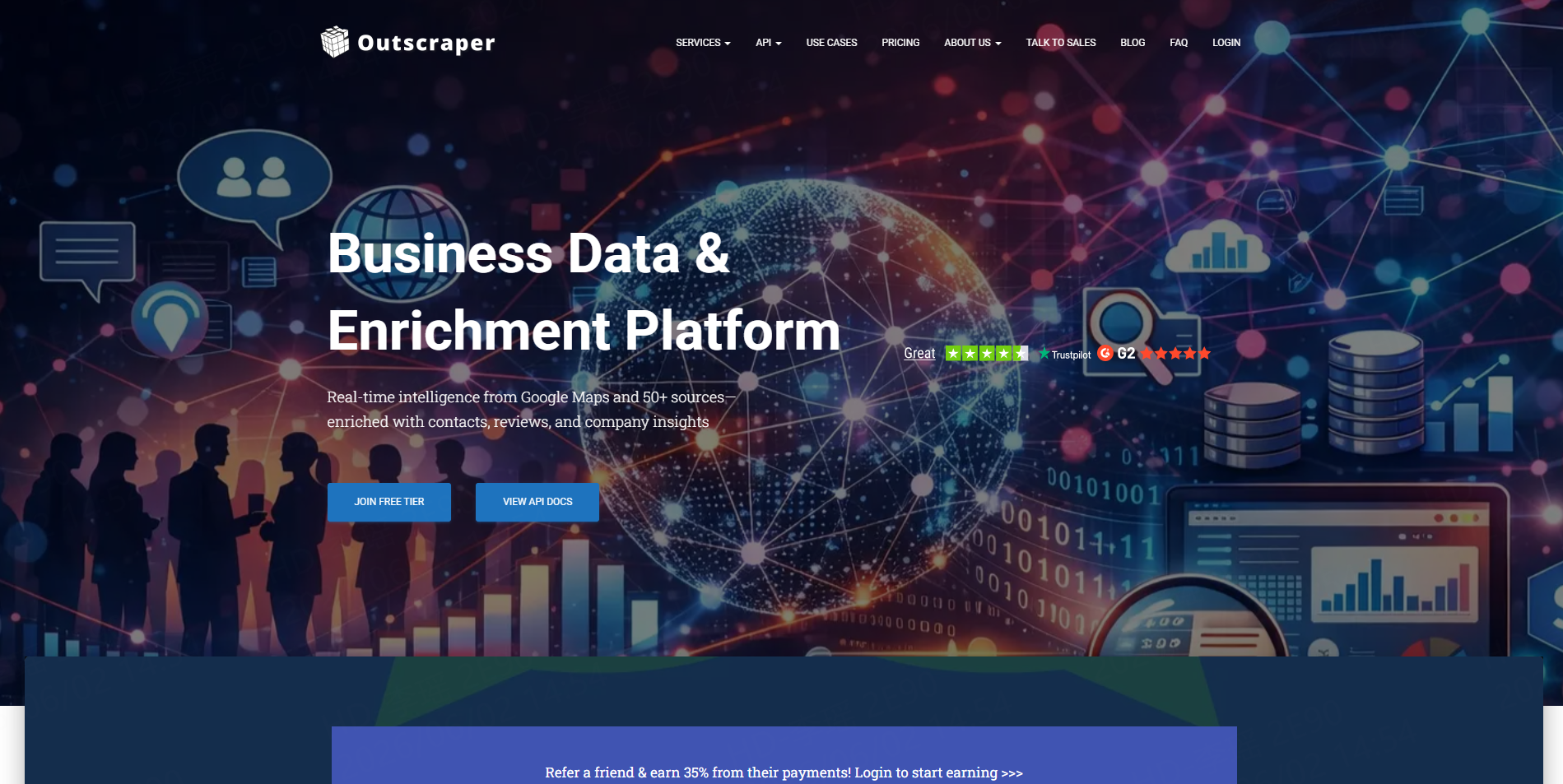
Outscraper is a Google Maps-focused data and enrichment platform. Its Google Maps Scraper page says users can extract business names, emails, phone numbers, reviews, ratings, and other Google Maps data, with no-code and API options. It also supports enrichment through its Emails & Contacts Scraper.
Best for: Teams that want Google Maps extraction plus contact enrichment.
Key features:
- Google Maps scraper
- Phone, email, review, and rating fields
- No-code and API workflows
- Contact enrichment options
- Pay-as-you-go style positioning
Pros: Outscraper is strong for Google Maps lead workflows and contact enrichment.
Cons: Teams should review pricing and enrichment costs before running large campaigns.
Use case: A sales team can collect local businesses from Google Maps, enrich contact details, and export results for outreach.
3. Apify
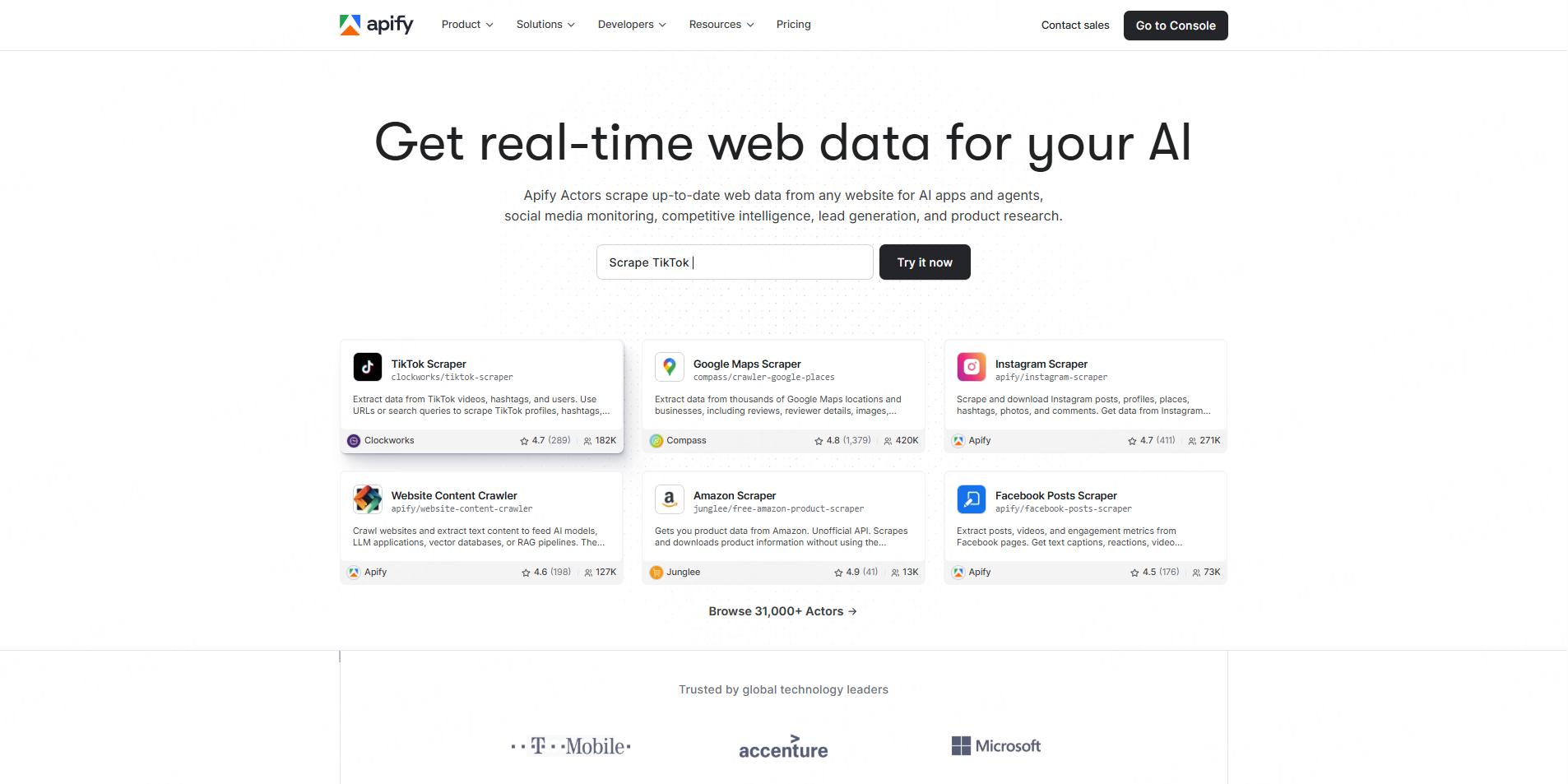
Apify is a cloud automation platform with a marketplace of scrapers called Actors. Its Google Maps Scraper listing describes extraction of phones, emails, websites, social media links, addresses, zip codes, ratings, and reviews, with JSON or CSV export.
Best for: Technical users, growth operations teams, and automation-heavy workflows.
Key features:
- Google Maps scraper Actors
- API access
- Scheduling
- Dataset storage
- CSV and JSON export
- Custom automation potential
Pros: Apify is flexible and suitable for recurring or customized scraping workflows.
Cons: It can have a learning curve. Users may need to compare different Actors, configure inputs carefully, and understand run costs.
Use case: A data operations team can schedule recurring extraction jobs and send local business records into an internal dashboard.
4. Scrap.io
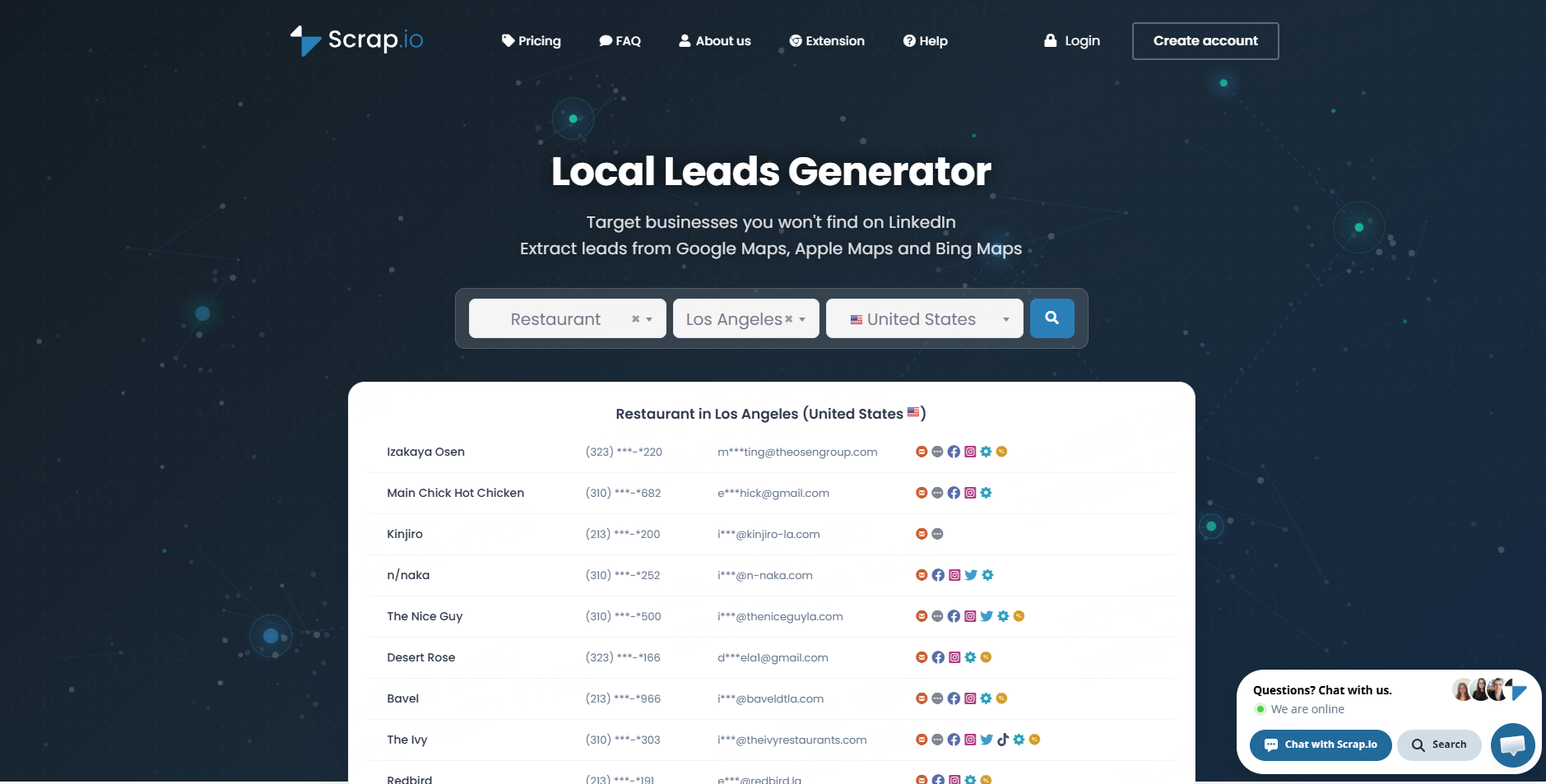
Scrap.io focuses on map-based local lead extraction. Its website says it can scrape Google Maps, Apple Maps, and Bing Maps, and extract business data such as names, addresses, phone numbers, emails, websites, social media links, and reviews across 195 countries.
Best for: Teams that want multiple map sources in one workflow.
Key features:
- Google Maps, Apple Maps, and Bing Maps extraction
- Email, phone, website, social link, and review fields
- Local lead filtering
- Sample exports
- Broad country coverage
Pros: Multi-map coverage can help teams compare data across different local discovery platforms.
Cons: Field completeness may vary by country, platform, and business category.
Use case: A regional agency can collect local contractors from multiple map platforms and compare coverage before building outreach lists.
5. Lead Scrape
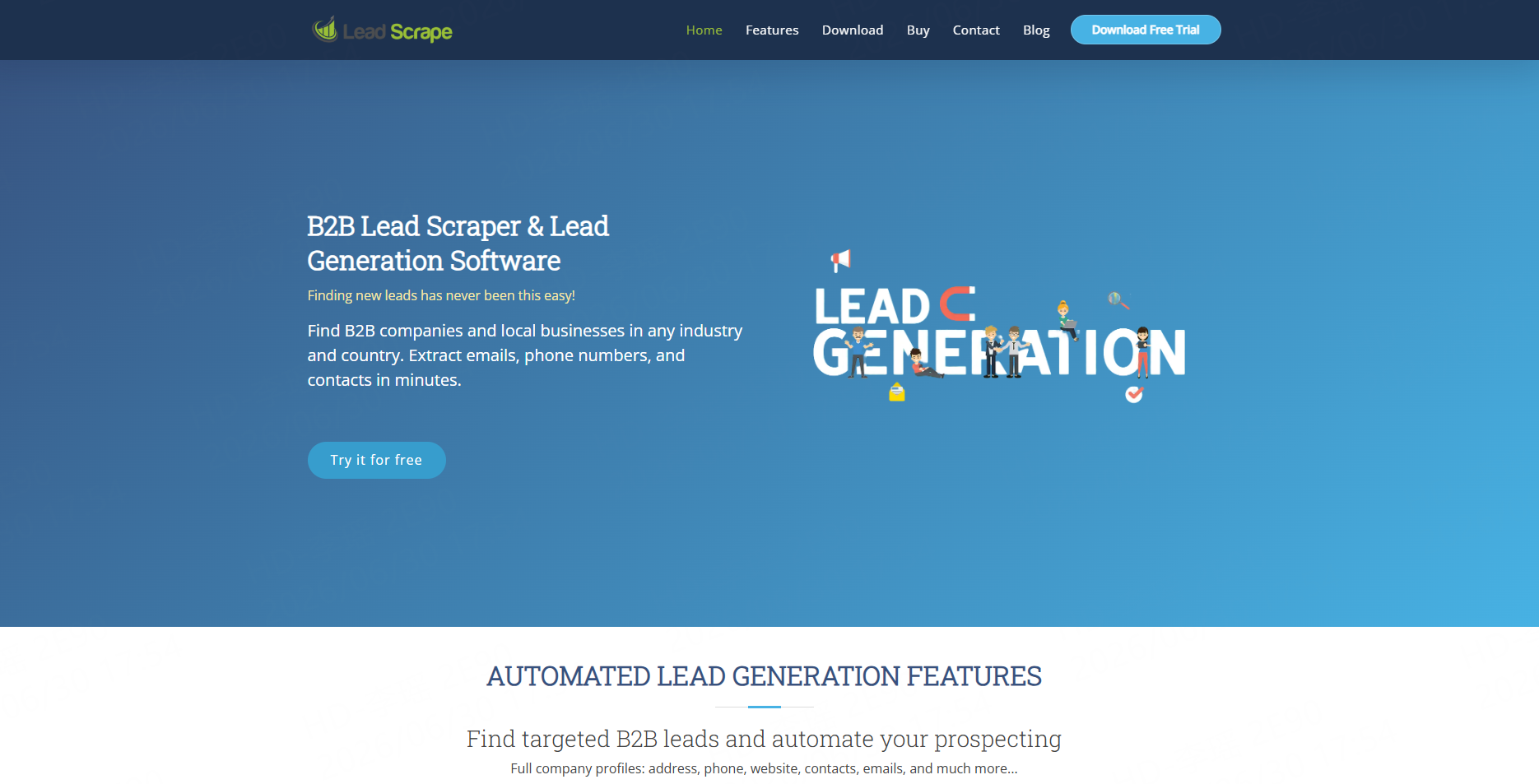
Lead Scrape is B2B lead generation software for finding local businesses and company contacts. Its website says it can find B2B companies and local businesses in any industry and country, and extract emails, phone numbers, contacts, addresses, websites, and company profiles.
Best for: Small businesses and outbound teams that prefer desktop software.
Key features:
- Local business discovery
- Company profiles
- Emails and phone numbers
- Industry and country targeting
- Windows and Mac desktop app
Pros: Lead Scrape is straightforward for small teams that want prospecting software without building scraping workflows.
Cons: Desktop software may be less convenient for shared teams, API pipelines, or recurring cloud automation.
Use case: A small agency can collect local businesses in a niche and prepare a basic contact list for outreach.
6. PhantomBuster
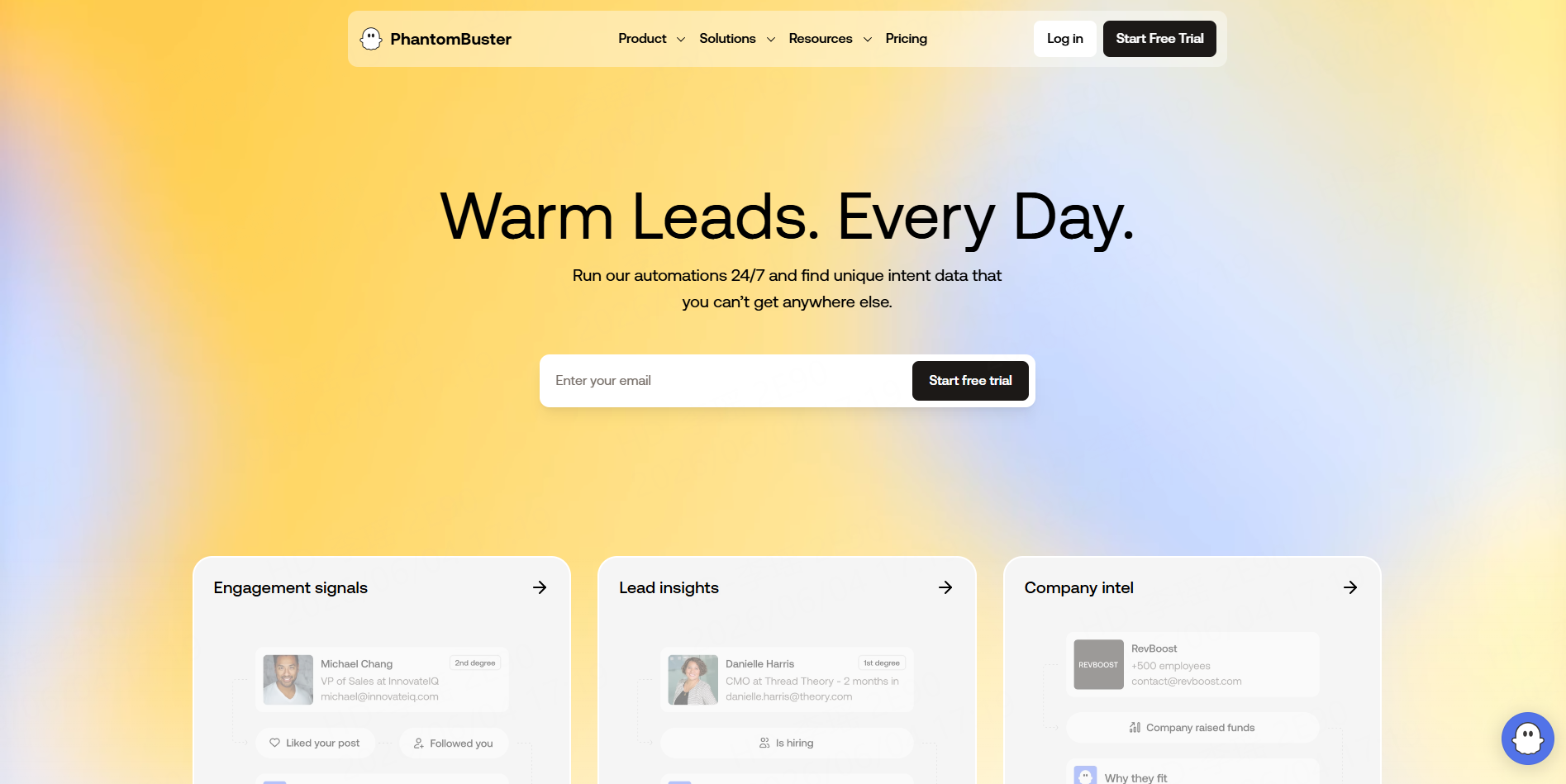
PhantomBuster is a sales prospecting and automation platform. Its homepage describes extracting live data from 15+ platforms and building smarter lead lists with live data points and contextual signals.
Best for: Growth teams that want extraction plus workflow automation.
Key features:
- Multi-platform extraction
- Lead list automation
- Enrichment workflows
- Sales prospecting sequences
- Browser extension support
Pros: PhantomBuster is useful when local business extraction is part of a broader prospecting workflow.
Cons: It may be more complex than needed for teams that only want a clean CSV of local businesses.
Use case: A growth team can combine business extraction with enrichment and follow-up workflow steps.
7. Bright Data
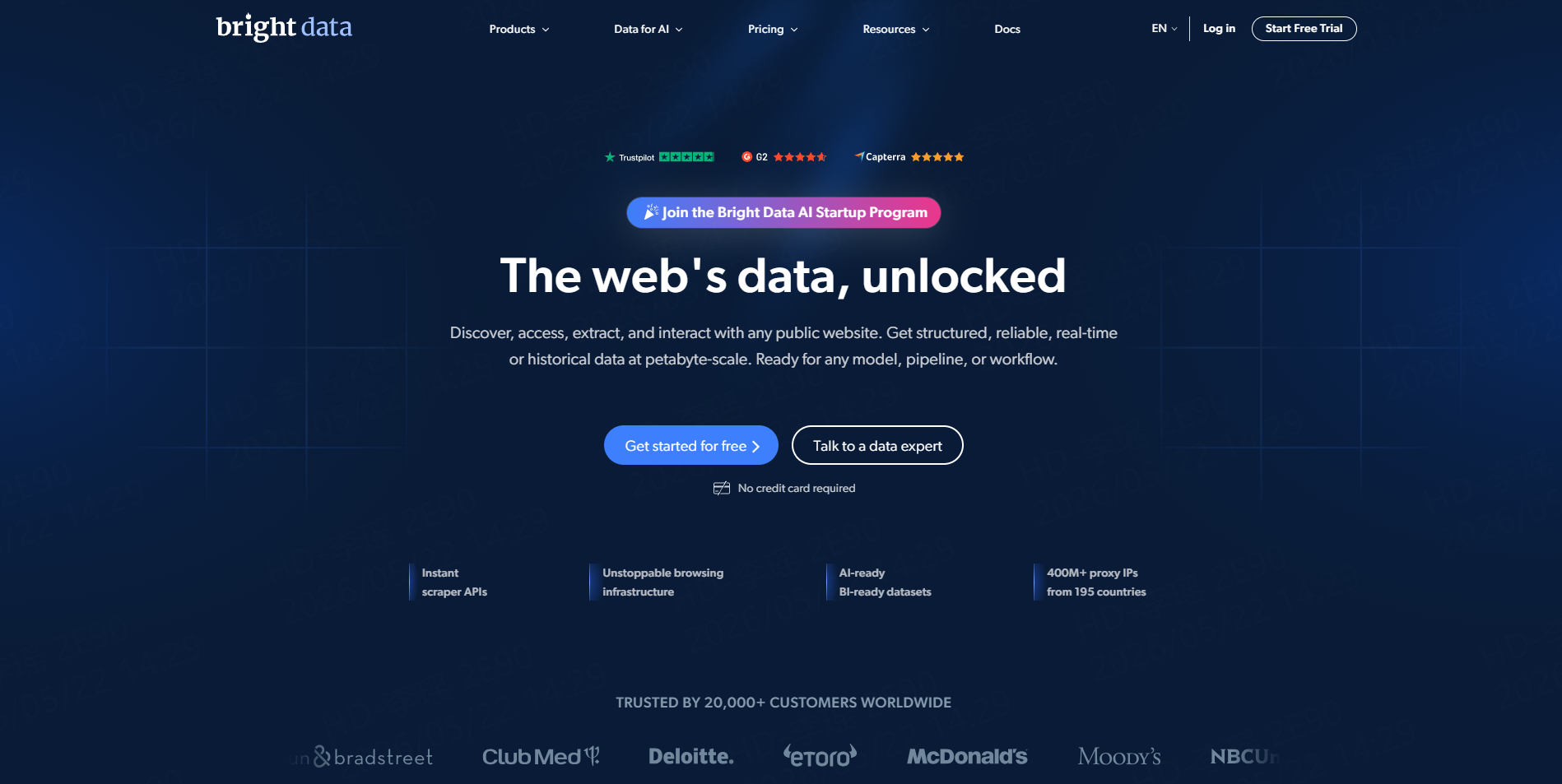
Bright Data is better suited for enterprise and data teams. Its Google Maps dataset page describes business data such as names, addresses, descriptions, reviews, ratings, and more. It supports delivery formats including JSON, NDJSON, JSON Lines, CSV, XLSX, and Parquet, with delivery destinations such as cloud storage, Snowflake, SFTP, webhook, and email.
Best for: Enterprise data teams that need large-scale local business datasets.
Key features:
- Google Maps datasets
- Web Scraper APIs
- JSON, CSV, XLSX, Parquet, and cloud delivery
- Dataset API access
- Custom dataset options
Pros: Bright Data is strong for large-scale structured data delivery and enterprise integration.
Cons: It may be more than a small agency or non-technical sales team needs.
Use case: A data team can purchase or request a structured local business dataset and deliver it into a warehouse or analytics workflow.
A Cleaner Workflow for Local Business Data
Start with a specific target. For example, “dentists in Austin with fewer than 100 reviews,” “restaurants in Chicago with websites,” or “law firms in Phoenix with phone numbers.”
Next, collect only useful fields. For sales teams, this usually means name, website, phone, email when available, address, category, and source URL. For SEO teams, add rating, review count, business status, and category.
Then clean the dataset before export. Remove duplicates, irrelevant categories, closed businesses, and records missing critical fields. Add tags such as city, niche, campaign, lead status, and priority.
Finally, verify important details before outreach. Local business data changes often. For commercial outreach, teams should also follow applicable email, privacy, and marketing rules.
Final Thoughts
The best local business extractor is the one that gives your team usable data, not just more data. Sales teams need qualified records for outreach. SEO teams need local signals for research and prioritization. Data teams need structured exports that can move into internal systems.
With CoreClaw, teams can use ready-made Workers such as the Google Maps B2B Leads Generation Scraper, collect public local business data without coding, export CSV/JSON/Excel files, and work with cleaned and filtered outputs before importing records into sales or research workflows. For niche sources, teams can request custom Workers. For developer-led workflows, CoreClaw also supports API access and lets developers publish scraping scripts or automation workflows as Workers.
Frequently Asked Questions

Content Writer @CoreClaw · Last Updated 2026-06-30
Lena Kovalenko researches how modern software systems expose and organize information online. Her writing focuses on the interaction between APIs, web platforms, and automated data workflows. When exploring a topic she typically compares multiple tools to understand their design assumptions. These comparisons often lead to articles that help readers see how different technical approaches influence reliability and efficiency.
查看作者资料 →免责声明:CoreClaw 博客上的所有信息均按“原样”提供,仅供参考。对于因您使用 CoreClaw 博客上发布的信息(或通过链接跳转至的任何第三方网站上的信息)而产生的任何后果,CoreClaw 不作任何陈述,亦不承担任何责任。在进行任何数据抓取活动之前,请务必咨询法律顾问,查阅目标网站的服务条款,并在必要时获取许可。