Google Maps scraper tools convert business listings into structured records containing company names, addresses, categories, websites, phone numbers, coordinates, ratings, opening hours, and review information. These datasets can support local lead generation, territory research, competitor analysis, reputation monitoring, and location-based market studies.
The best tool depends on the intended workflow. A sales agency may prioritize contact enrichment and spreadsheet exports, while a developer may need an API with location parameters and structured JSON. A research team may care more about duplicate controls, review coverage, and the ability to reproduce a collection task.
Best Google Maps Scrapers at a Glance
Tool | Best For | Interface | Main Consideration |
CoreClaw | Clean B2B business datasets | No-code Worker and API | Practical lead workflow |
Apify | Flexible cloud automation | Actor and API | More configuration |
Outscraper | Maps data with enrichment | Cloud tool and API | Enrichment may be separate |
Bright Data | Enterprise API collection | Scraper API | Built for technical teams |
Octoparse | Visual no-code workflows | Templates and desktop app | More setup for custom tasks |
Top Google Maps Scraper Tools Compared
1. CoreClaw
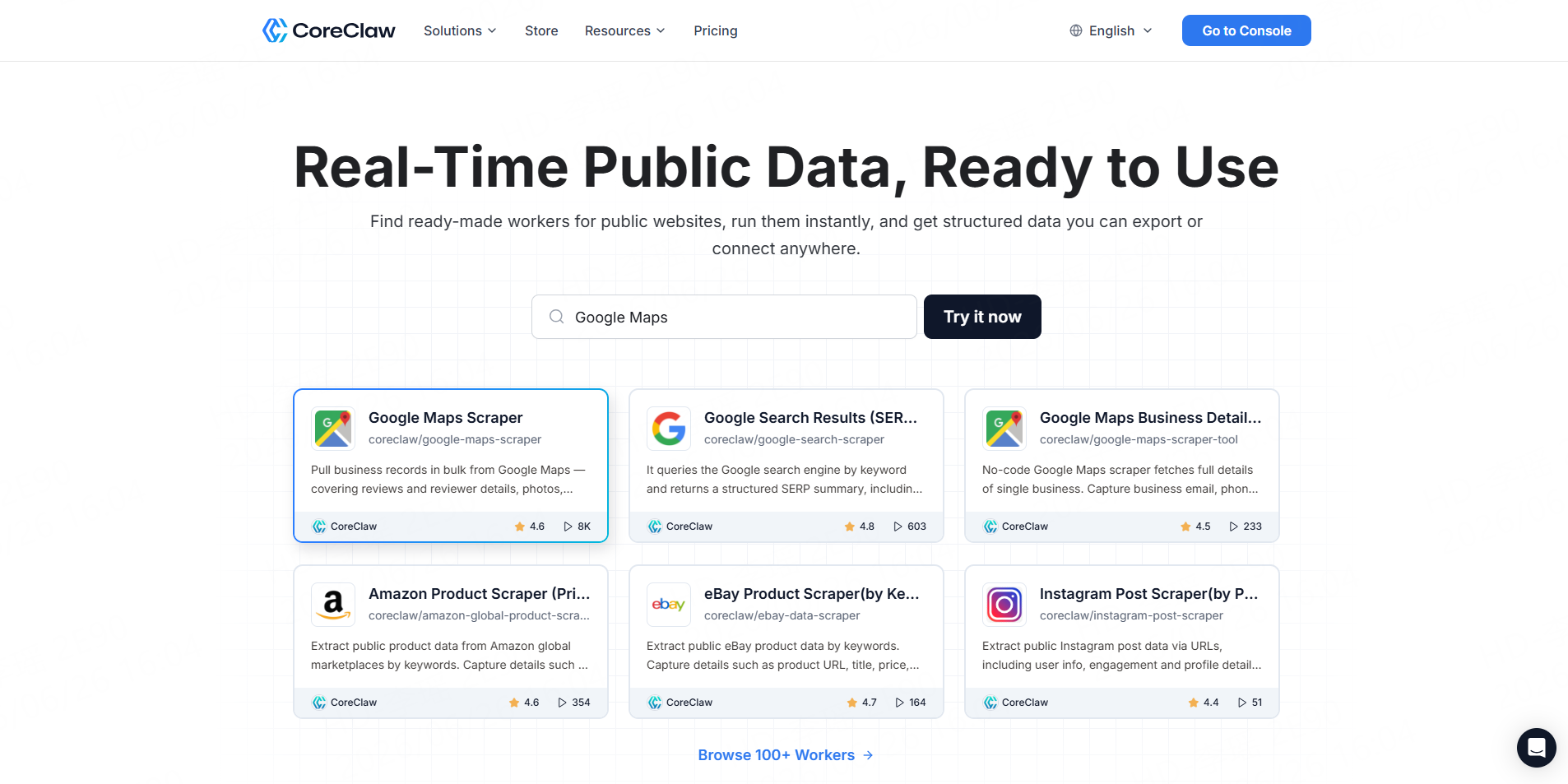
The CoreClaw Google Maps Local Business Scraper collects listings by business keyword and location. Documented output fields include company identity, addresses, contacts, websites, social links, categories, ratings, review counts, opening hours, and extended business details. Results can be exported in CSV, Excel, JSON, and other structured formats.
Best for: Sales teams, agencies, market researchers, and non-technical users who want cleaner, filtered business records.
Limitation: Projects involving unusual websites or specialized fields may require a custom Worker.
2. Apify
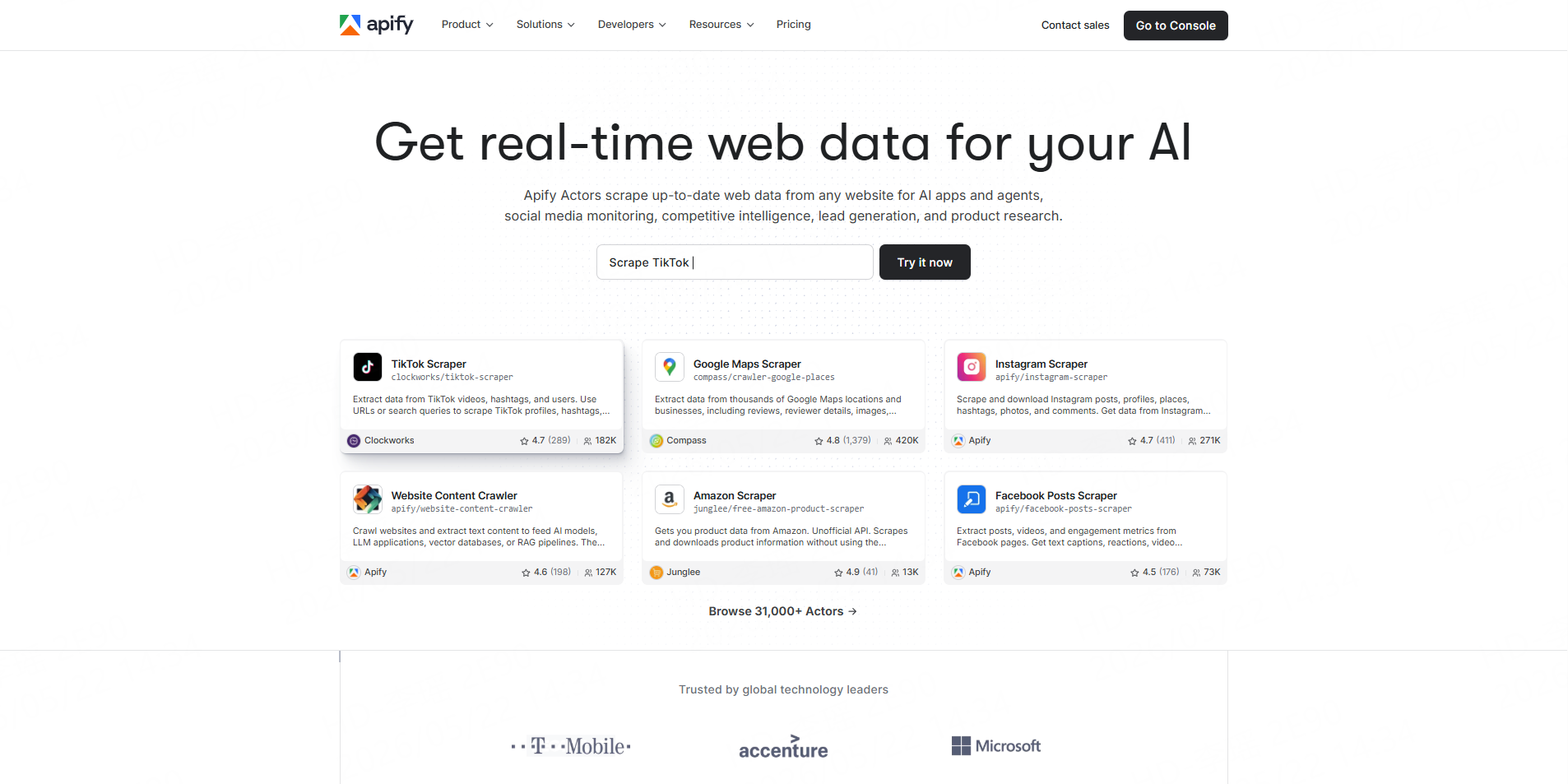
Apify provides a configurable Google Maps Scraper as a cloud Actor. Users can run it from the platform, trigger it through an API, schedule tasks, and connect the output with other applications. Its flexibility is valuable when Google Maps is one source inside a broader scraping workflow.
Best for: Developers and automation teams.
Limitation: Actor configuration and usage-based costs may require more technical oversight than a simple lead-list project.
3. Outscraper
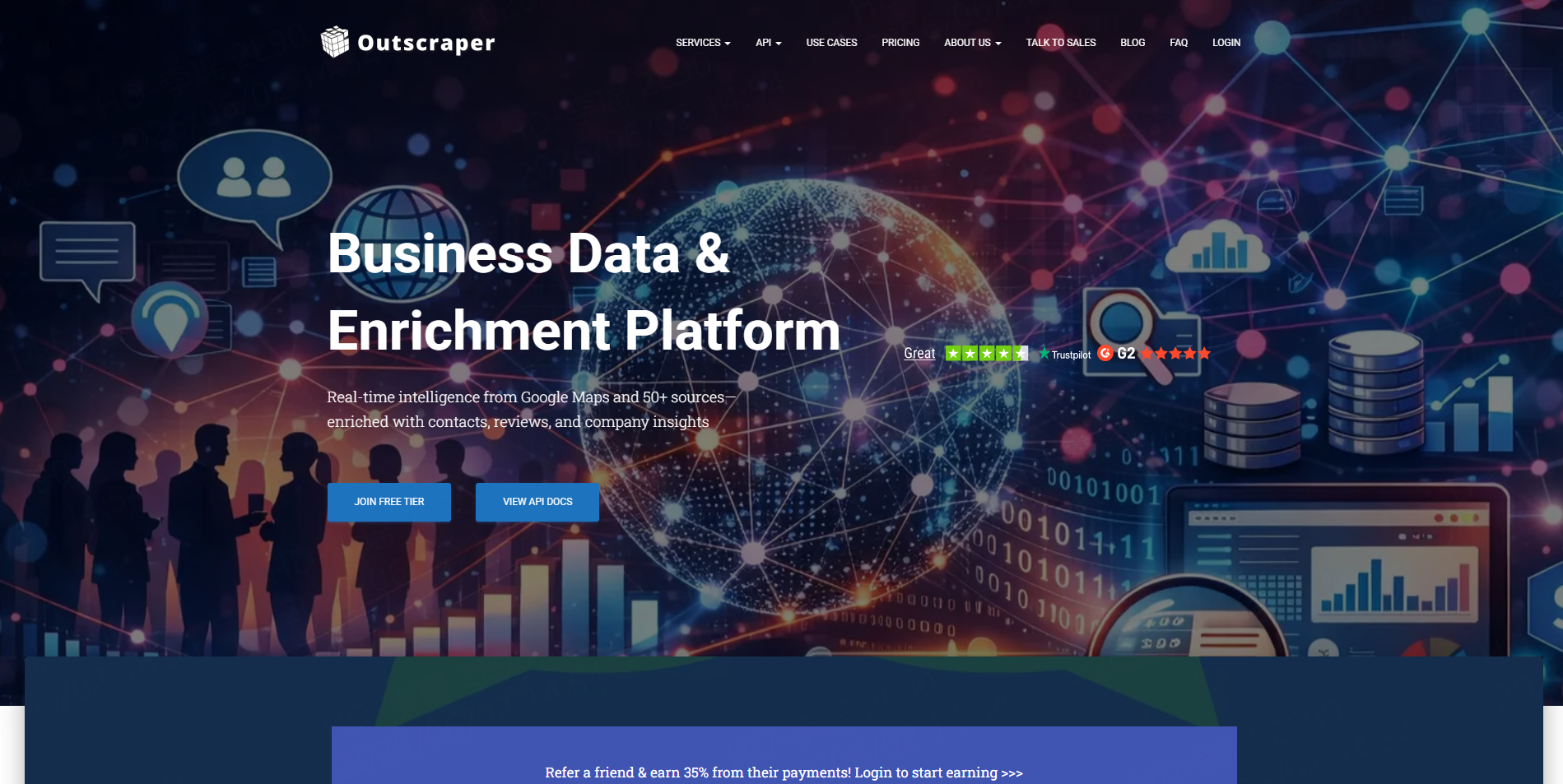
Outscraper extracts Google Maps business names, addresses, websites, telephone numbers, ratings, reviews, and location details. Its Emails and Contacts enrichment can visit business websites associated with listings to retrieve available public emails and social links.
Best for: Agencies that want Maps extraction plus optional website enrichment.
Limitation: Base extraction and contact enrichment may involve separate processing and cost considerations.
4. Bright Data
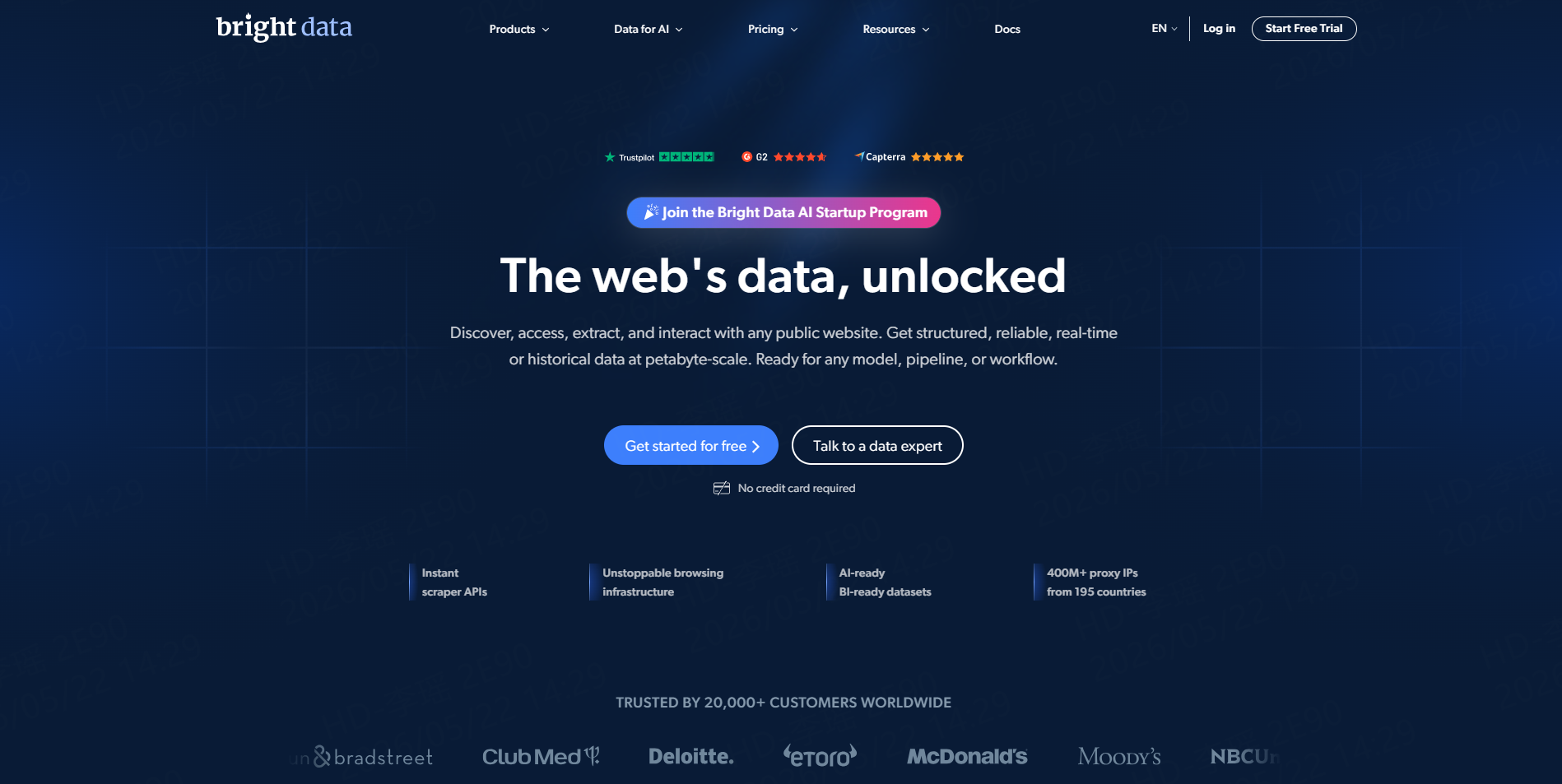
Bright Data offers a Google Maps Scraper API with city-level targeting, real-time responses, automated proxy management, browser fingerprinting, CAPTCHA handling, and HTML or JSON delivery.
Best for: Enterprise data pipelines and high-volume developer applications.
Limitation: The infrastructure and API-first interface may be excessive for teams that only need an occasional spreadsheet.
5. Octoparse
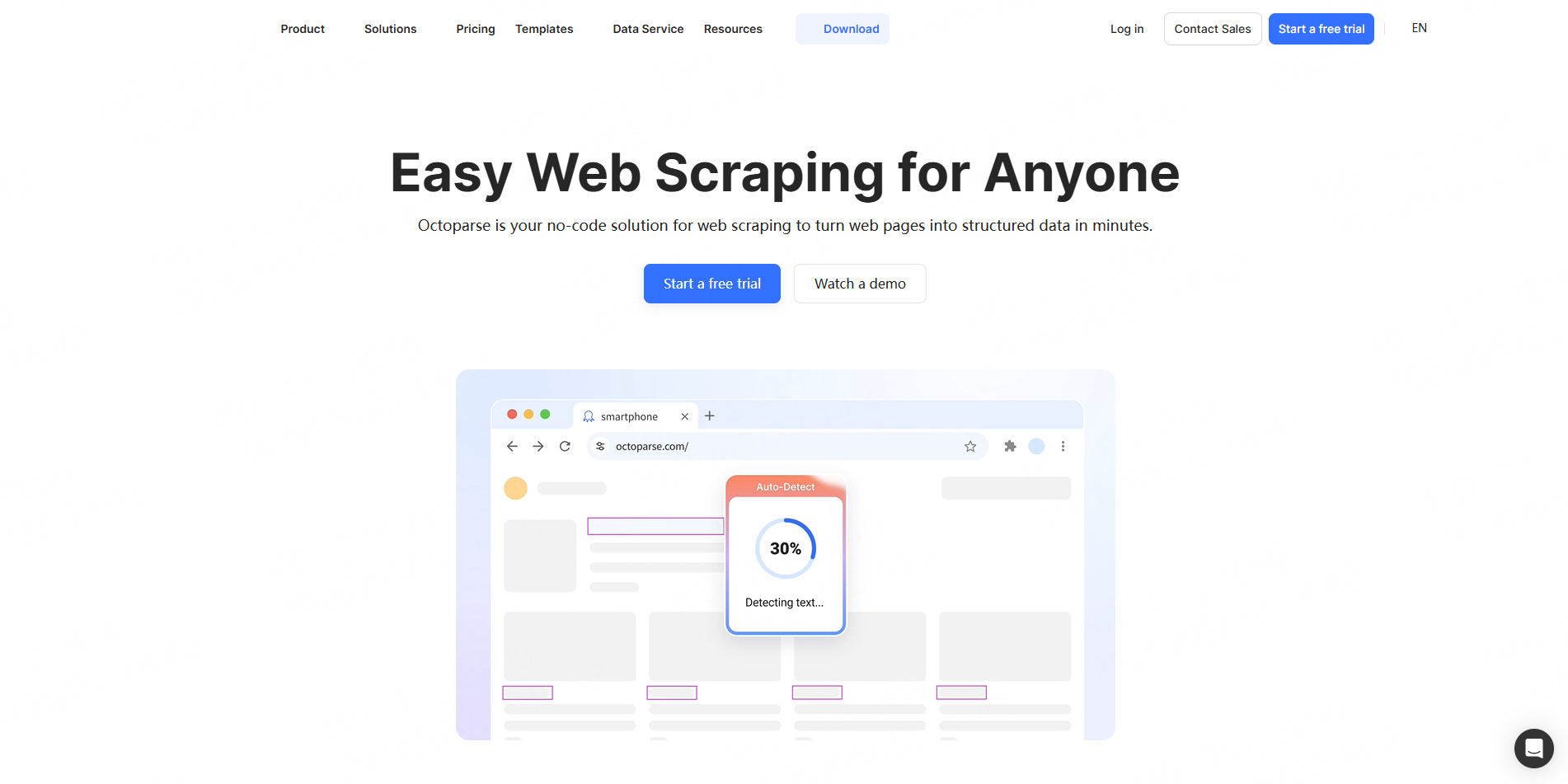
Octoparse offers no-code Google Maps templates for collecting names, contact details, ratings, coordinates, images, reviews, prices, categories, and operating information. It supports keyword, URL, location, and language inputs, with exports to CSV, Excel, JSON, Google Sheets, and databases.
Best for: Users who prefer visual templates and workflow builders.
Limitation: Custom workflows can take longer to configure than a dedicated input-and-run Worker.
How to Build a Clean Google Maps Dataset
Start with a defined market, such as a business category, geographic area, and qualification rule. Run a small sample before collecting an entire city or country.
Review whether the businesses are relevant, whether branches should be treated as separate records, and which fields are consistently available. Keep the original Place ID, Maps URL, search keyword, location, and collection timestamp.
Standardize company domains, phone numbers, addresses, categories, and country codes. Use several identifiers for deduplication rather than relying on company names alone.
With the CoreClaw quick-start workflow, users can select a Worker, configure keywords or URLs, run a test, inspect structured results, and export the records from the browser. Recurring projects can use the CoreClaw API integration to start runs, monitor status, retrieve results, and create filtered exports for a CRM, database, or internal workflow.
Important records should still be sample-checked. A successful extraction does not guarantee that every business field is current or that every website-derived email belongs to the intended company.
Responsible Google Maps Data Collection
Review the current Google terms, machine-readable access instructions, provider policies, and laws applicable to the project. Google’s terms prohibit automated access that violates machine-readable instructions published for its services.
Focus on necessary public business information. Avoid restricted access, sensitive personal data, unnecessary reviewer information, or contact collection unrelated to a legitimate business purpose. Platform compliance and legal permissibility can depend on the access method, data type, jurisdiction, and intended use.
Final Thoughts
There is no single Google Maps scraper that is best for every buyer.
For teams that need a practical no-code route from Google Maps searches to cleaned and filtered business records, CoreClaw provides a balanced workflow. Teams can run ready-made Workers, export CSV, Excel, or JSON files, collect detailed reviews with the CoreClaw Google Maps Reviews Scraper, and automate recurring tasks through an API.
Developers can also create Workers with Python, Node.js, or Go and publish reusable data workflows in the CoreClaw Store when an existing scraper does not cover the required process.
Frequently Asked Questions

Content Writer @CoreClaw · Last Updated 2026-07-24
Lena Kovalenko researches how modern software systems expose and organize information online. Her writing focuses on the interaction between APIs, web platforms, and automated data workflows. When exploring a topic she typically compares multiple tools to understand their design assumptions. These comparisons often lead to articles that help readers see how different technical approaches influence reliability and efficiency.
查看作者资料 →免责声明:CoreClaw 博客上的所有信息均按“原样”提供,仅供参考。对于因您使用 CoreClaw 博客上发布的信息(或通过链接跳转至的任何第三方网站上的信息)而产生的任何后果,CoreClaw 不作任何陈述,亦不承担任何责任。在进行任何数据抓取活动之前,请务必咨询法律顾问,查阅目标网站的服务条款,并在必要时获取许可。