Facebook contains public Pages, posts, comments, events, business profiles, group discussions, and Marketplace listings that can support market research, brand monitoring, content analysis, event discovery, and competitor research. Copying these records manually becomes inefficient when a project covers many URLs or needs recurring updates.
A Facebook scraper collects accessible information and converts it into structured fields such as post text, Page name, publishing date, reactions, comments, shares, event details, media links, and source URLs. The best tool depends on the target data, technical resources, required export format, and whether the workflow has appropriate platform authorization.
Quick Comparison of Facebook Scraper Tools
Tool | Best for | No-code | API | Main limitation |
CoreClaw | Ready-made structured Facebook data | Yes | Yes | Best when a matching Worker exists |
Bright Data | Enterprise Facebook pipelines | Partial | Yes | More infrastructure than small teams need |
Apify | Flexible marketplace workflows | Yes | Yes | Actor quality and pricing vary |
PhantomBuster | Small session-based workflows | Yes | Partial | Requires a connected Facebook session |
Meta Graph API | Authorized Page and app data | No | Yes | Permissions and data coverage are restricted |
Decodo | Developer social-data infrastructure | No | Yes | Technical configuration required |
ScrapingBee | Custom rendered-page extraction | Partial | Yes | Users may need their own parsing rules |
ParseHub | Visual point-and-click projects | Yes | Yes | Not purpose-built for Facebook |
Best Facebook Scraper Tools in 2026
1. CoreClaw
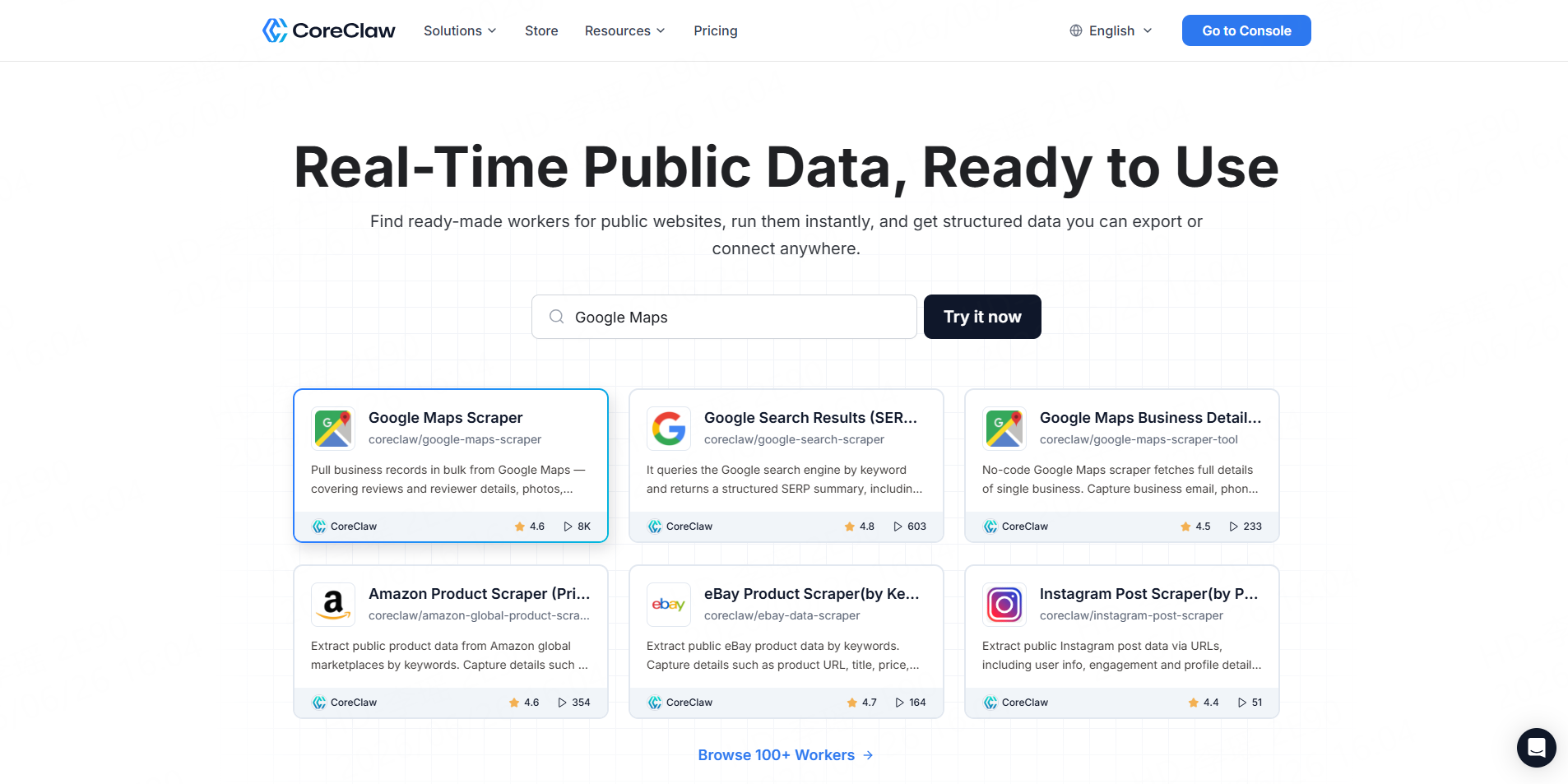
CoreClaw is the practical choice for teams that want ready-made Facebook data Workers without building browser automation or managing proxies. Its Facebook scraper Store covers public posts, comments, profiles, and events with structured CSV or JSON outputs.
Best for: Marketing, research, social listening, and non-technical teams.
Key difference: Cleaned and filtered records, API access, and pay only for successful results.
Limitation: Specialized sources may require a custom Worker.
2. Bright Data
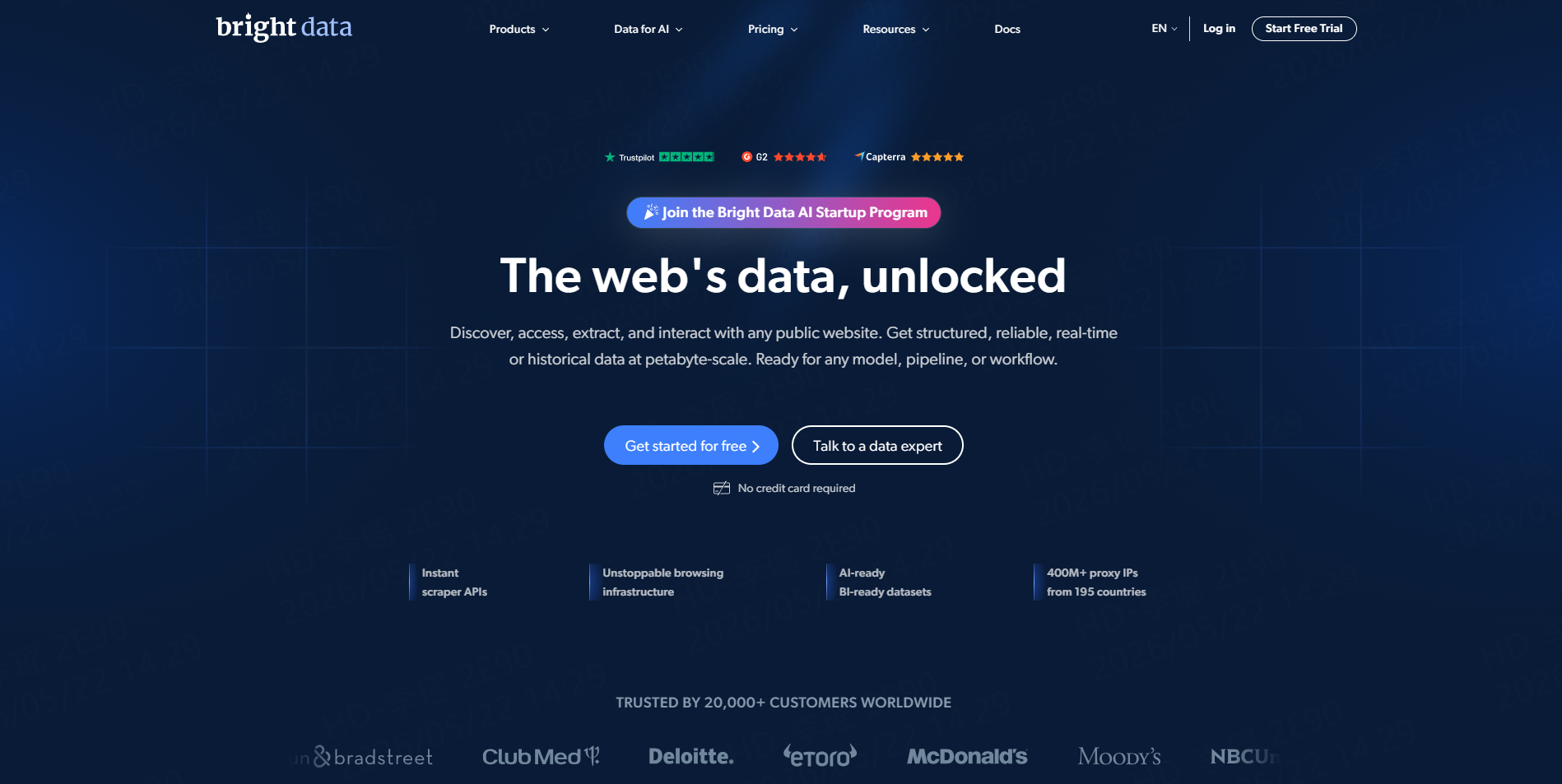
Bright Data provides dedicated Facebook Scraper API endpoints for profiles, Pages, posts, comments, Marketplace listings, and events. The service returns structured JSON and handles browser access, proxies, CAPTCHAs, and parsing.
Best for: Enterprise-scale and recurring data pipelines.
Limitation: Its infrastructure and configuration may be more than a small spreadsheet project requires.
3. Apify
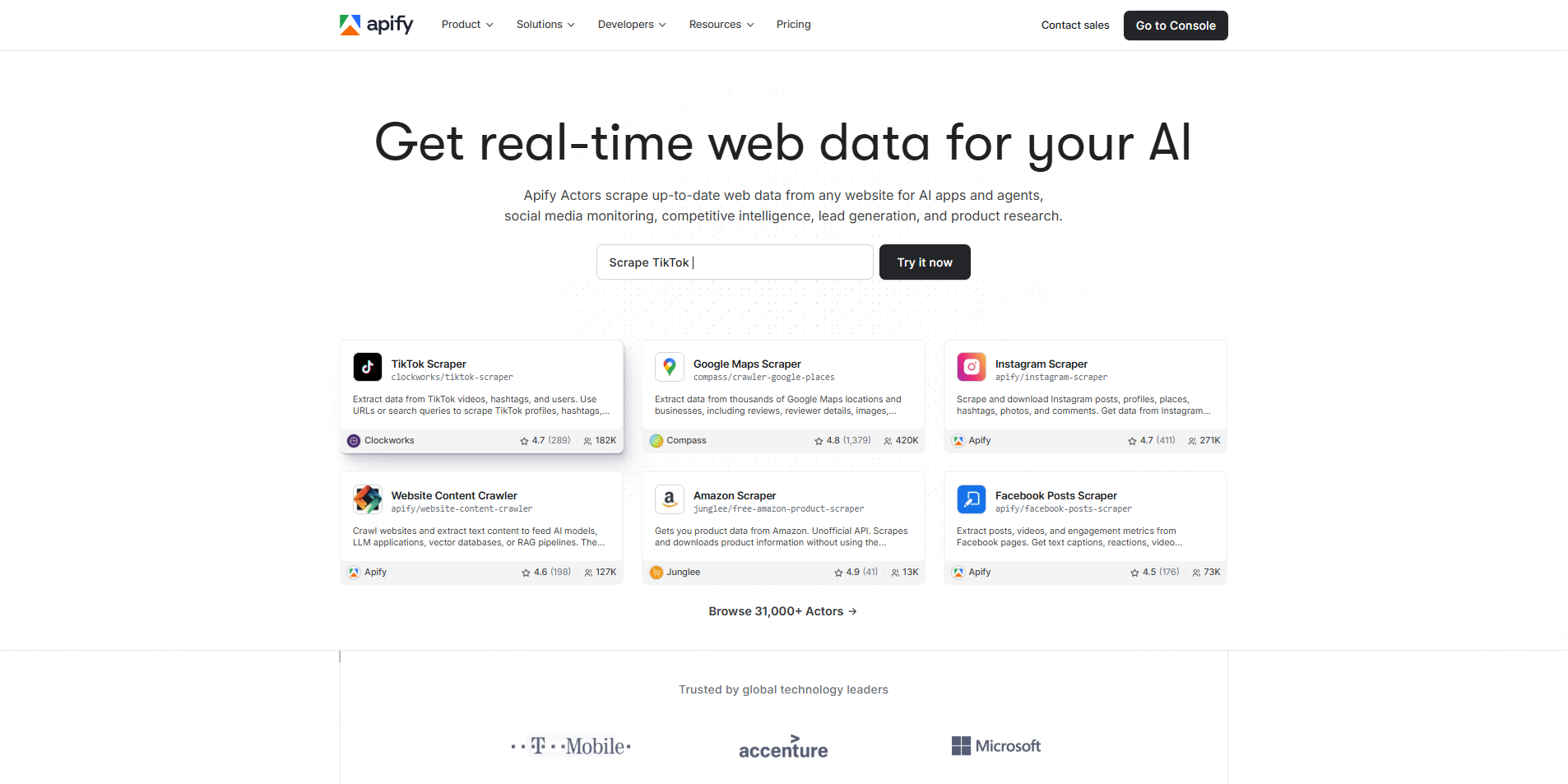
Apify offers maintained and community-built Actors for Facebook Pages, group posts, public posts, comments, and related workflows. Its maintained Groups Scraper supports JSON, CSV, and Excel exports.
Best for: Technical marketers and developers who want configurable automation.
Limitation: Similar Actors can use different schemas, maintenance standards, and pricing models.
4. PhantomBuster
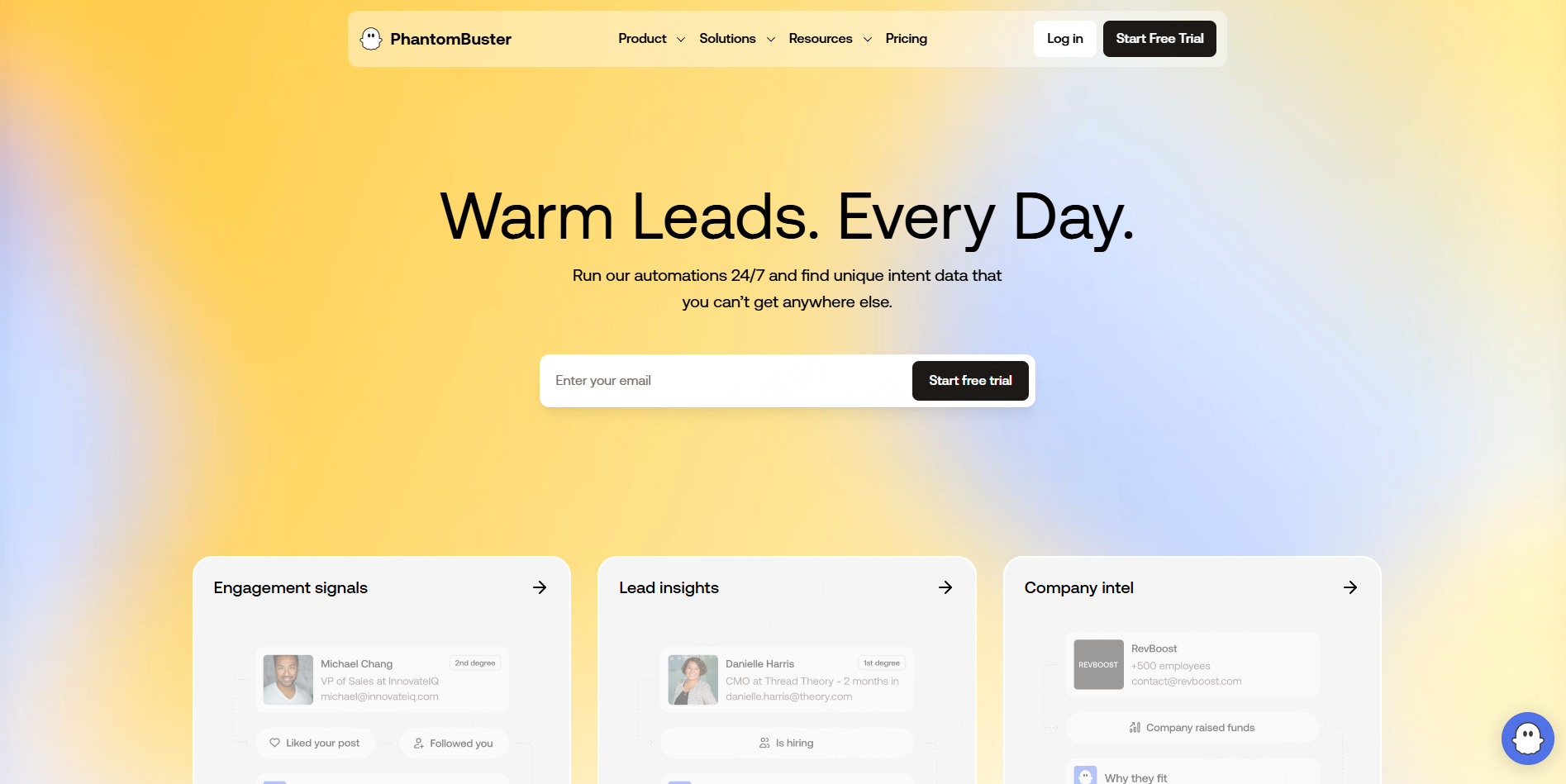
PhantomBuster provides Facebook Profile Scraper and Group Members Export automations. Inputs can come from individual URLs, CSV files, or Google Sheets.
Best for: Small sales or research workflows already using PhantomBuster.
Limitation: Facebook automations require a connected account session, so users must consider account limits and operational risk.
5. Meta Graph API
The Meta Graph API is Facebook’s official HTTP-based interface for approved apps and authorized platform data. It supports Page, post, advertising, and insights use cases subject to permissions, app review, versioning, and rate limits.
Best for: Data owned or managed by the organization.
Limitation: It is not a general-purpose public Facebook scraping API.
6. Decodo
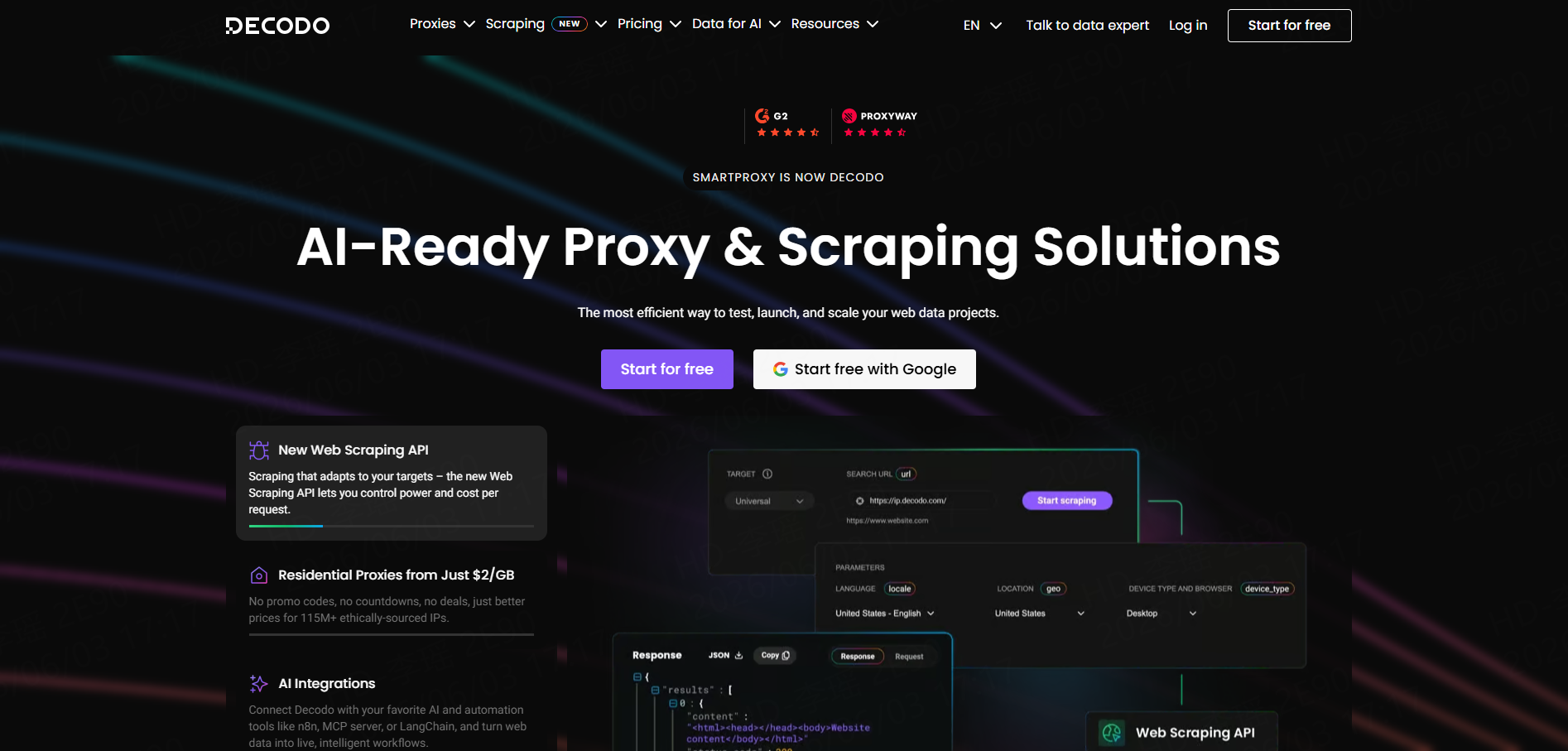
Decodo’s Social Media Scraping API is designed for structured social-data collection without teams managing their own proxy pool. Its broader scraping platform includes social-media support and ready-made templates.
Best for: Developers building multi-platform data pipelines.
Limitation: Business users may need engineering support to define requests and process outputs.
7. ScrapingBee
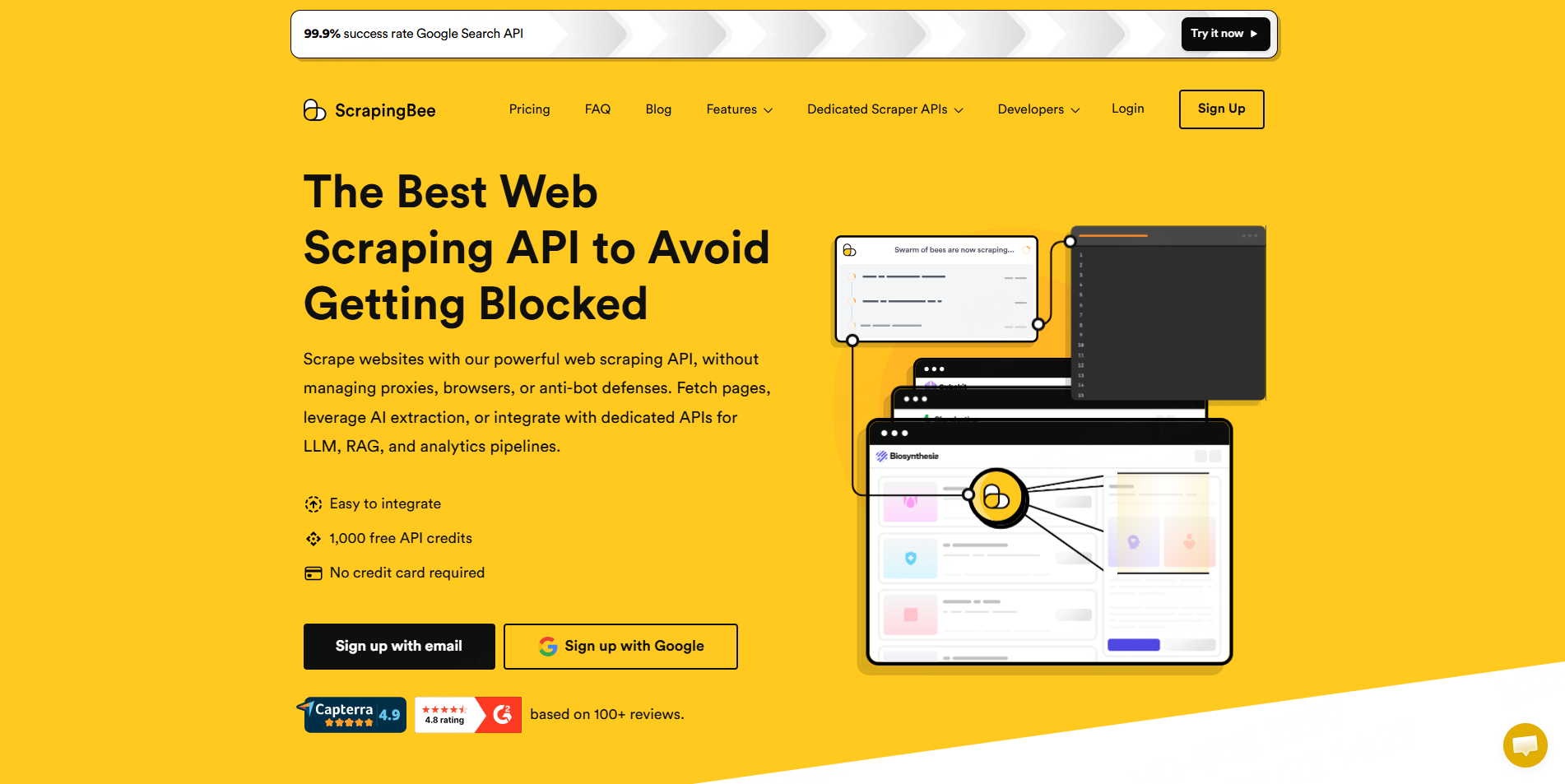
ScrapingBee provides a social-media scraping API with JavaScript rendering, browser actions, proxy handling, custom extraction rules, and no-code n8n connections.
Best for: Developers who need rendered Facebook pages or custom extraction logic.
Limitation: It is infrastructure rather than a ready-made Facebook dataset, so teams may need to define and maintain the parsing rules.
8. ParseHub
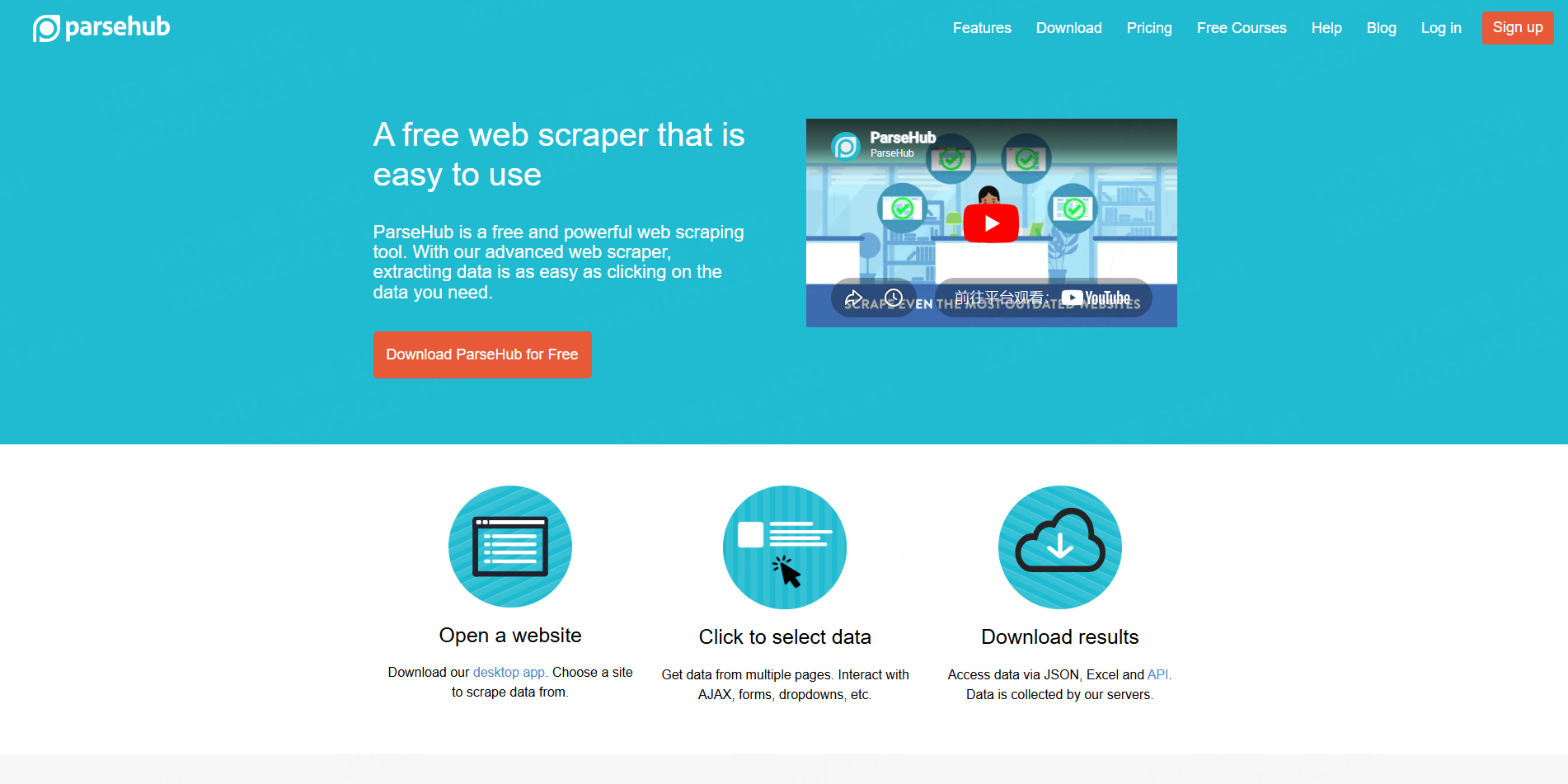
ParseHub is a visual scraper that lets users select webpage elements and export results into spreadsheets, JSON, or an API.
Best for: Small point-and-click experiments.
Limitation: It is a general web scraper rather than a maintained Facebook-specific tool, making dynamic page changes harder to manage.
A Practical Facebook Data Collection Workflow
Start by defining the exact source and fields. A post-monitoring project may need text, dates, reactions, comments, shares, and source URLs. A public event project may instead need event names, times, locations, organizers, and participant counts.
Use the Facebook Posts Scraper for public post content and engagement fields, the Facebook Comments Scraper for audience responses, or the Facebook Profile Scraper for known public profile URLs. Public event projects can use the Facebook Events Scraper.
Run a small test before scaling. Remove duplicates, preserve source URLs, add collection timestamps, and sample-check important records. Results can be moved through CSV, JSON, and Excel-style exports or connected to recurring workflows through the CoreClaw API.
Responsible Use and Common Limitations
Public visibility does not automatically provide permission for unrestricted automated collection. Meta’s Automated Data Collection Terms state that automated collection requires express written permission or explicit authorization and impose additional rules on data use, security, retention, and collection practices.
Teams should avoid private content, access-control bypasses, sensitive personal information, unnecessary fields, and collection involving minors. Facebook page structures, login requirements, content availability, and engagement counts can also change. Important commercial decisions should therefore include manual validation and legal review where appropriate.
Conclusion
The best Facebook scraper tool depends on whether the team needs usable structured data or underlying scraping infrastructure. APIs provide flexibility, visual tools support smaller experiments, and the official Graph API is appropriate for authorized Page and application data.
With CoreClaw, teams can run ready-made Facebook Workers, receive cleaner and more organized outputs, export records through spreadsheets or APIs, and use pay-only-for-successful-results pricing. When an existing Worker does not match the project, teams can request a custom Worker, while developers can publish and monetize scraping Workers.
Frequently Asked Questions

Content Writer @CoreClaw · Last Updated 2026-07-30
Lena Kovalenko researches how modern software systems expose and organize information online. Her writing focuses on the interaction between APIs, web platforms, and automated data workflows. When exploring a topic she typically compares multiple tools to understand their design assumptions. These comparisons often lead to articles that help readers see how different technical approaches influence reliability and efficiency.
查看作者资料 →免责声明:CoreClaw 博客上的所有信息均按“原样”提供,仅供参考。对于因您使用 CoreClaw 博客上发布的信息(或通过链接跳转至的任何第三方网站上的信息)而产生的任何后果,CoreClaw 不作任何陈述,亦不承担任何责任。在进行任何数据抓取活动之前,请务必咨询法律顾问,查阅目标网站的服务条款,并在必要时获取许可。