In today’s increasingly competitive dental industry, how to efficiently acquire stable dentist leads has become a core growth challenge for clinics. Traditional methods such as telephone directories or manual searches can no longer meet expansion needs. Instead, automated data acquisition is becoming the preferred choice for more and more marketers. This article will focus on dental data sources from Google Maps, tool selection logic, and a comparison of 5 lead scraping tools to help you understand how to systematically achieve growth.
Top 3 Picks for Dentist Lead Scraping Tools
In real-world use of dentist scraping tools, we find that the differences in the market are very large. Some are more technical, some are more marketing-oriented, and only a few tools can directly improve efficiency.
● CoreClaw: Supports direct Google Maps scraping data, allowing users to obtain dental clinic lists without complex configuration, making it ideal for quickly launching projects.
● Hunter: More focused on email and domain discovery, suitable as a supplementary lead scraping tool for lead collection.
● Apollo.io: Provides broad coverage and is suitable for building a complete sales database, but is slightly more general in localized dentist leads acquisition.
What Dentist Leads Are on Google Maps?
Google Maps is one of the most concentrated and authentic sources of dental leads. This data usually comes from real business listings, making it highly suitable for scraping Google Maps data.
In actual scraping, we typically see the following types of dentist leads:
● Private dental clinics: Small independent clinics, usually with higher conversion rates.
● Dental chain organizations: Multi-branch brands, suitable for large-scale dentist lead generation.
● Pediatric dental centers: Focused on niche audiences, suitable for precise marketing.
● Cosmetic dental clinics: Provide teeth whitening and cosmetic dentistry services, usually with higher average order value.
● Emergency dental service providers: Offer 24-hour services with strong immediate demand.
These data are extremely valuable in lead scraping because they directly correspond to real commercial intent rather than cold data.
What Are the Use Cases of Dentist Leads?
The value of dentist leads goes far beyond simply "obtaining a list of dental contacts." In essence, they are a reusable commercial resource. Whether for sales outreach, advertising, or market analysis, data obtained through dentist scraping can continuously generate value across different business scenarios.
Local Advertising Targeting
Dentist leads help us identify dental clinics in specific regions, allowing ads to reach only relevant decision-makers, improving budget efficiency and conversion rates.
B2B Customer Development and Sales Outreach
Dental data collected through lead scraping can directly build sales lists for phone, email, or LinkedIn outreach, accelerating customer acquisition.
Market Competition and Regional Analysis
With scraping Google Maps data, we can clearly see dental density across different cities, identifying where competition is intense and where growth opportunities remain.
Partnership and Channel Expansion
Dentist leads are not only customer lists but also potential partners, such as medical equipment suppliers, marketing service providers, or clinic networks.
How to Choose a Dentist Lead Scraping Tool?
When selecting a dentist scraping tool, many people focus only on feature count. However, what truly determines results is whether it can consistently produce high-quality dentist leads.
● Whether the data comes from original Google Maps information: Prioritize tools that directly support scraping Google Maps data, as original map data is usually updated faster and closer to real business conditions.
● Whether it can quickly generate usable leads: A good dentist scraping tool should allow you to enter keywords and immediately obtain structured dental lists rather than complex configuration processes.
● Whether the output is structured and ready to use: In dentist lead generation, structured data (name, phone, address) can be directly imported into sales systems, avoiding repeated cleaning.
● Whether it supports batch and regional expansion: Effective lead scraping tools must support batch extraction across different cities and keywords to expand dentist leads coverage.
● Whether it is suitable for non-technical users: If the tool has a high barrier to entry, it will slow down the entire dentist scraping process, making usability a key efficiency factor.
Best Tools for Dentist Lead Acquisition
CoreClaw
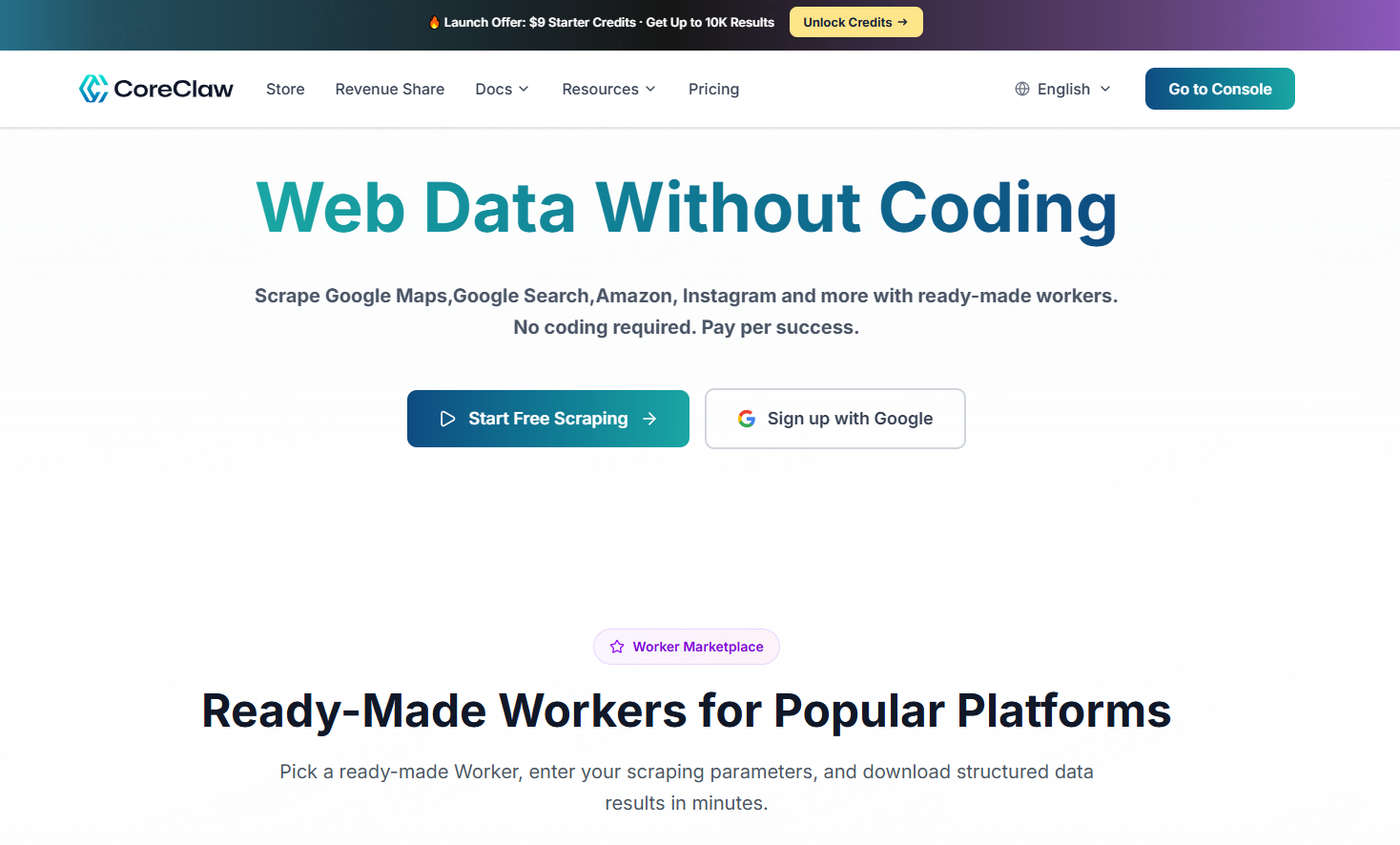
CoreClaw is a ready-to-use web data scraping platform that is more “ready to use” in the lead scraping space. Its core advantage is the ability to directly extract structured Google Maps scraping data without complex configuration or coding.
For dental industry users, it can quickly locate local dentist leads, including clinic names, addresses, and phone numbers, significantly reducing the time cost of acquiring customer leads. Compared with traditional methods, it is more like a tool that “opens the map and directly gets data.”
In dentist lead generation scenarios, CoreClaw’s advantages are very obvious. It is more suitable for teams that need to quickly validate markets or build sales systems.
Core features:
Starting price: $39/month
Hunter
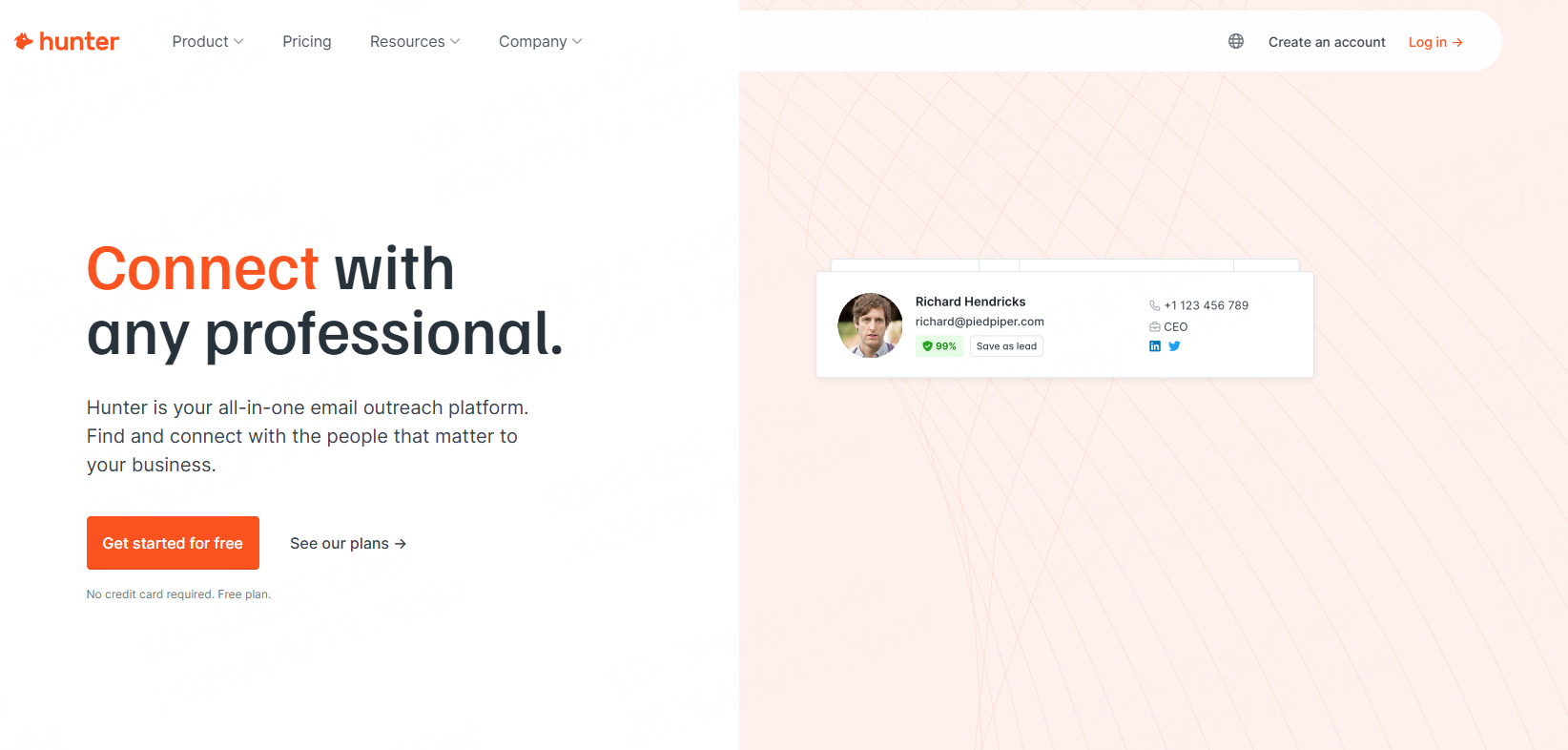
Hunter is a tool focused on email discovery and domain analysis. In the dentist scraping tool ecosystem, it plays more of a “supplementary role.” It does not directly provide Google Maps data, but it can help further enrich existing dentist leads by finding official emails or contact information for clinics.
For outbound sales or email marketing users, Hunter is an important auxiliary tool in the dentist lead generation process. Its advantage lies in strong data verification capabilities, which reduce invalid contacts.
Core features:
Starting price: $49/month
Apollo.io
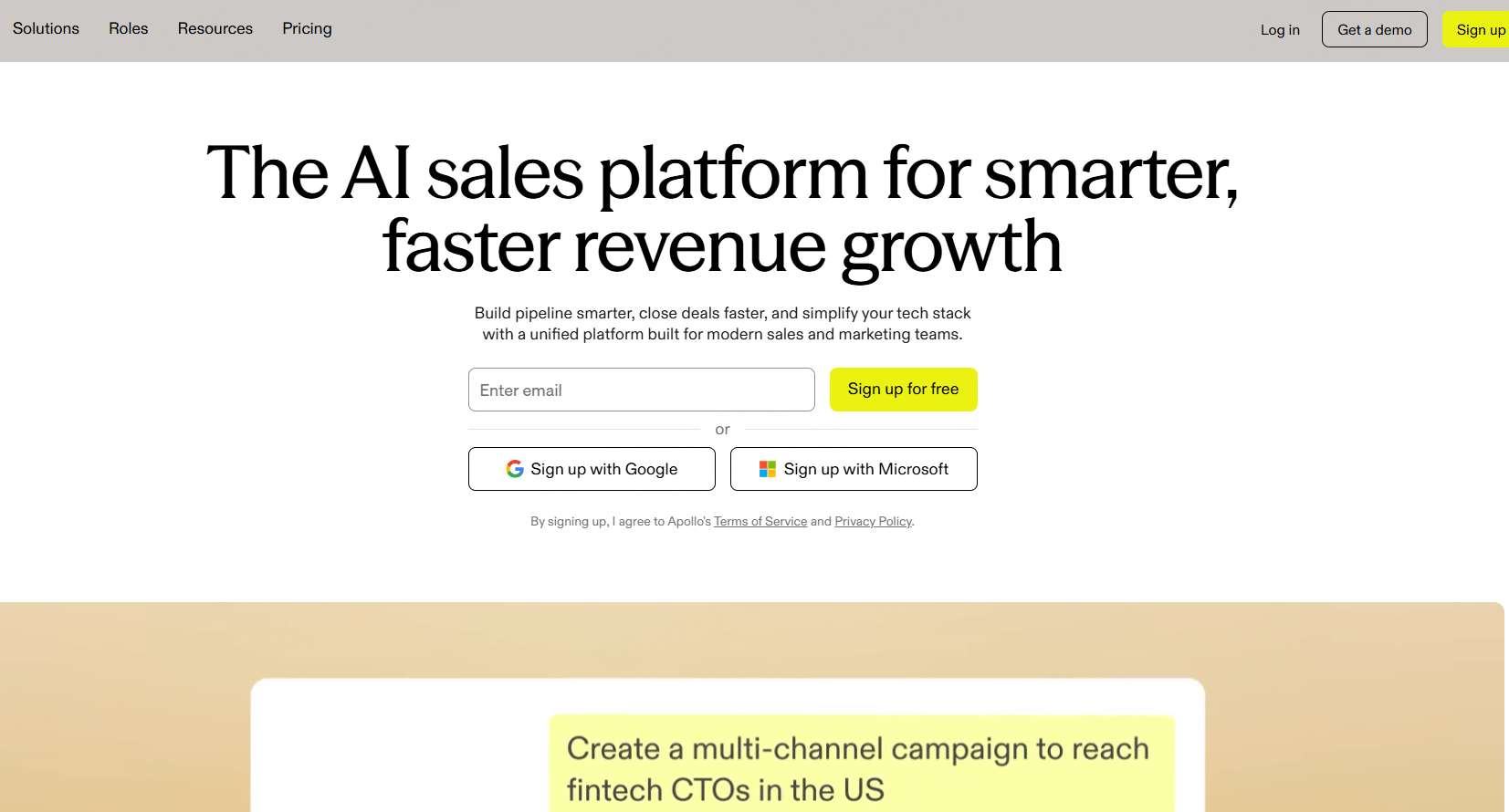
Apollo.io is a comprehensive sales database platform covering multiple industries, including dentistry. In dentist scraping, it provides a structured business database rather than pure Google Maps scraping data.
Its advantage is large-scale data coverage and built-in sales automation tools, making it suitable for building complete sales funnels. However, in terms of localized dentist leads accuracy, it is less precise than tools focused on map data.
Core features:
Starting price: $49/month
Phantombuster
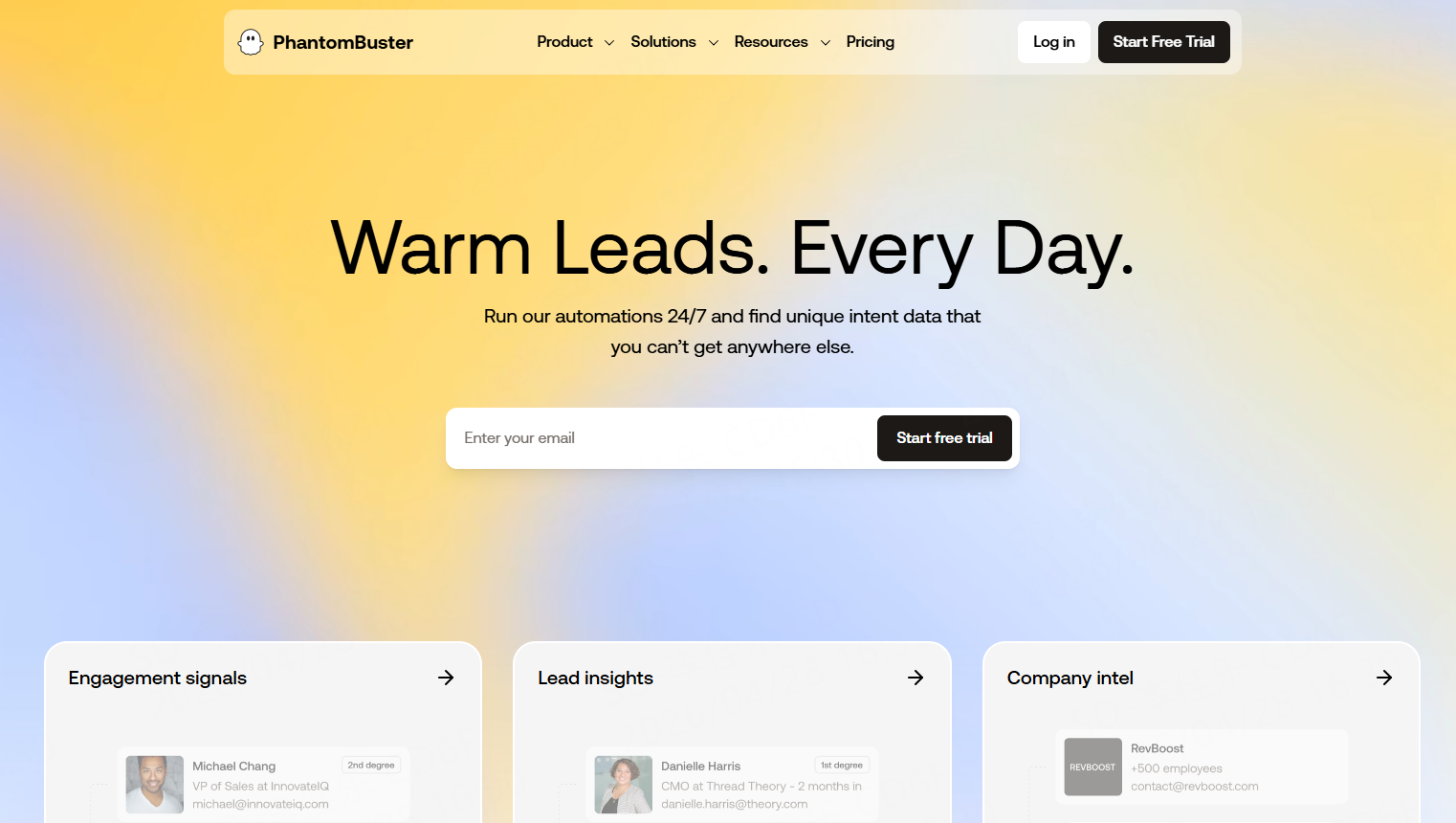
Phantombuster is an automation scraping and workflow execution tool. In the dentist scraping tool space, it is more technical-oriented. Users can set up workflows to automatically scrape Google Maps data or social media information.
It is suitable for teams with technical capabilities to build complex lead generation automation workflows. Compared to simpler tools, it offers more flexibility but has a higher learning curve.
Core features:
Starting price: $69/month
LeadFuze
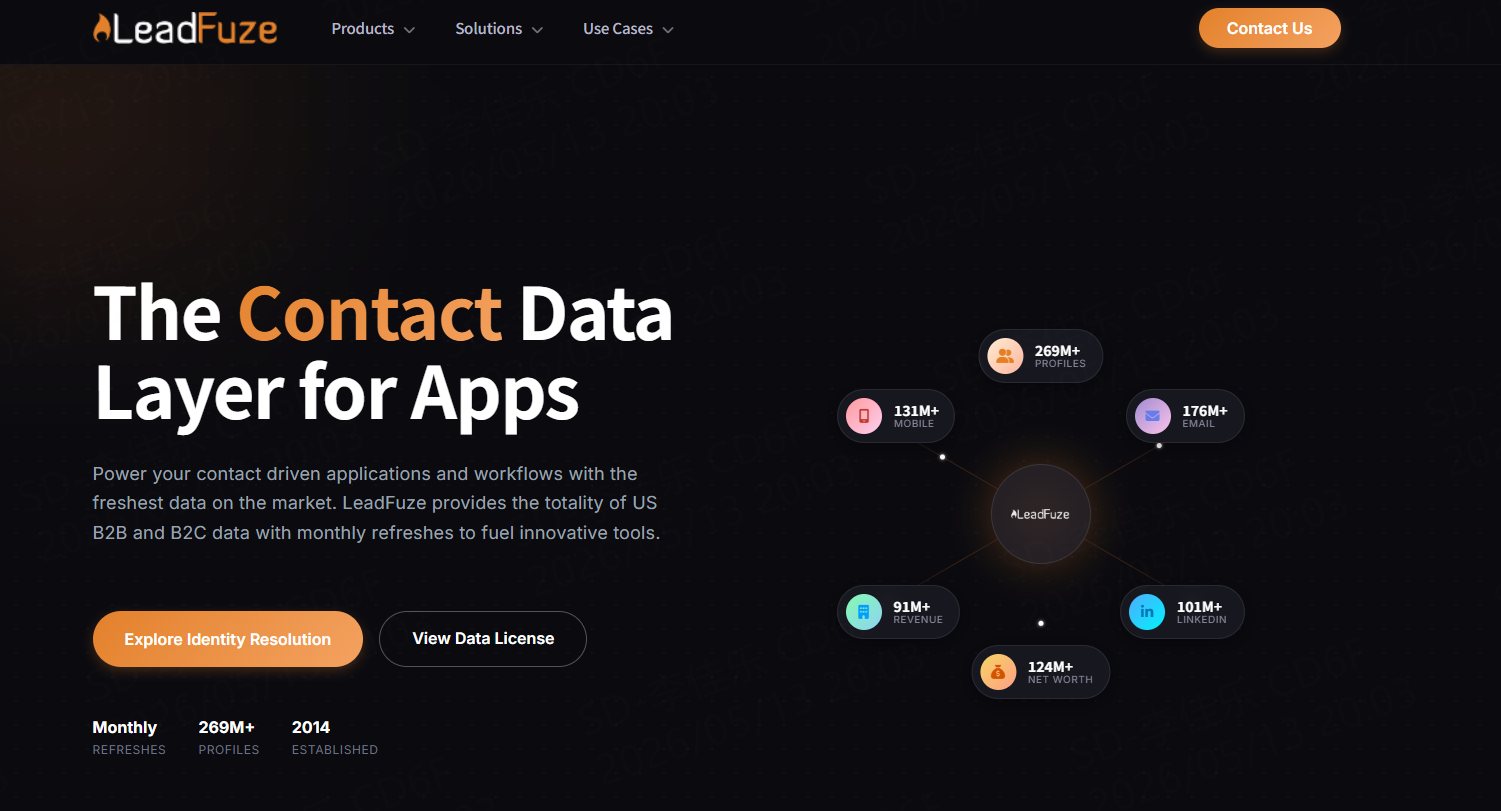
LeadFuze is a B2B lead generation platform that provides dentist leads through a database plus automated matching approach. Although it is not a dedicated Google Maps scraping tool, it performs steadily in sales lead generation.
It is suitable for teams that want to quickly build sales lists, especially in the early stage of dentist lead generation.
Core features:
Starting price: $132/month
Dentist Lead Scraper Tool Comparison Table
Conclusion
The way dentist leads are acquired is shifting from manual search to automated systems. This is not only an improvement in efficiency but also an upgrade of the entire sales logic. Once we understand the value of Google Maps data, it becomes clear that the real competitive advantage lies in “who can acquire data faster and more accurately.”
Whether for startups or mature sales organizations, choosing the right dentist scraping tool means widening the gap in customer acquisition efficiency. Tools are only the starting point; the real key is how to transform lead scraping into a sustainable growth system.
Frequently asked questions

Content Writer @CafeScraper · Last Updated 2026-05-13
Lena Kovalenko researches how modern software systems expose and organize information online. Her writing focuses on the interaction between APIs, web platforms, and automated data workflows. When exploring a topic she typically compares multiple tools to understand their design assumptions. These comparisons often lead to articles that help readers see how different technical approaches influence reliability and efficiency.
View Author Profile →Disclaimer: Views expressed are solely the author's and do not constitute business commitments.